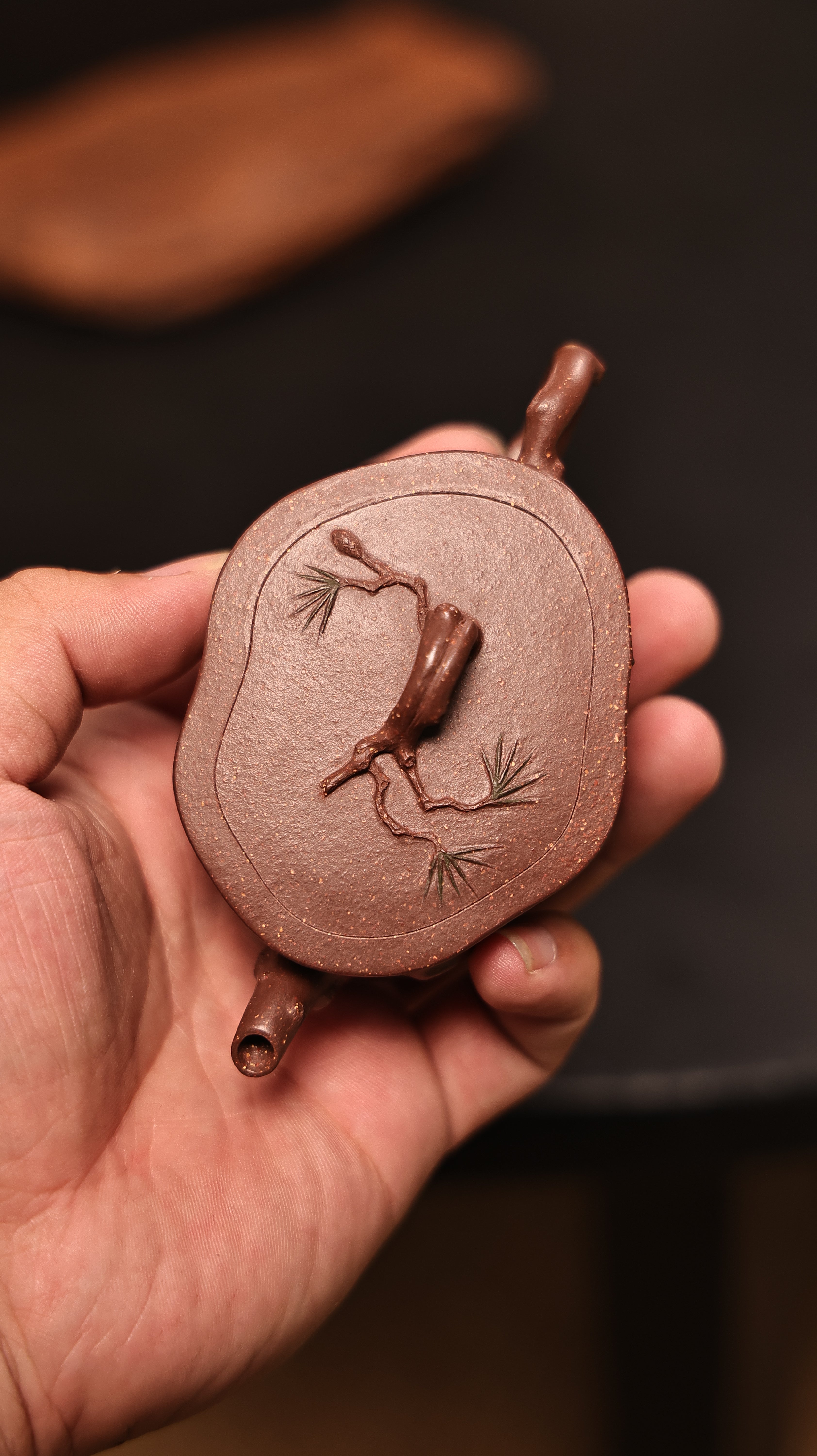
audience specific Yixing classic form pot?
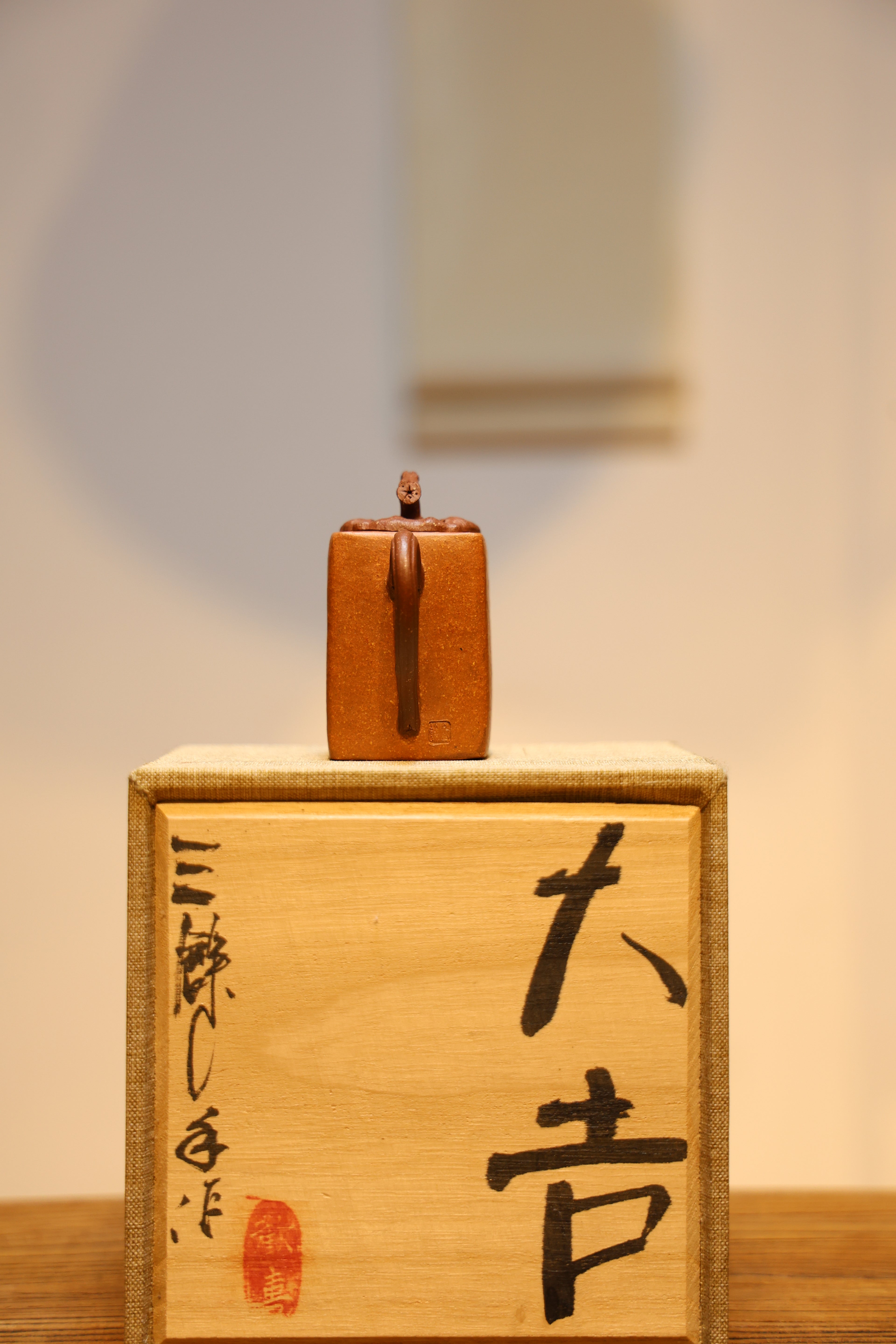
Commencing a inclusive examination with respect to Yihsing Zisha brewing containers showcases distinct compelling union of artistry plus practicality.
Eysing Tz'u Sha brewing containers boast this unequaled appeal to aficionados across the globe. Certain exceptional porcelain containers, coming from the exclusive Eysing district of Jiangsu region, China, are more than just tea gadgets; they are acknowledged as works decorative beauty and ancestral significance. A finely prepared clay, known for Zisha, imparts a nuanced flavor to the tea, and the fancy designs, often mirroring traditional Chinese imagery, add to their fundamental value. Collecting a genuine Yixing Zisha teapot is a enjoyable journey, entailing careful investigation and an appreciation of the various factors influencing the uniqueness.
Exploring Yixing Tea Vessels
Yi-hsing ceramic containers boast a rich record deeply interwoven with Chinese customs. Originating in Yixing, Jiangsu region, these pitchers are crafted from a unique, porous purple soil found only in that particular location. Their progression began during the Ming reign, with master potters refining the practices over years. Numerous types can be seen, including the classic Hexiang (resembling crab shells), Zhuni (red-brown hue), and Duan Ni (stone-studded) – each with distinctive characteristics. The merit of an Yixing vessel isn't solely based on its size or accessories, but also on the creator’s reputation, the earth's quality, and the pot’s age and condition. Buyers often seek out older examples, believing they soak Yixing Zisha Teapot up the aroma of the liquid brewed within them over time, further adding to their status.- Antique Earthen Pots
- Zhuni Earthen Pots
- Duan Ni Earthen Pots
Zisha Teapot Mastery: Craftsmanship & Approaches
The fabrication of Zisha teapots represents a culmination of Chinese ceramic expertise. Seasoned artisans employ traditional techniques, often passed down through ancestry, to unlock the full potential of this unique clay. Techniques involve meticulous forming by hand, often combined with the looping method, followed by precise curing at incredibly high temperatures in wood-fired kilns. Beautifying is equally crucial; artists utilize organic clay colors and may incorporate modeling work to depict intricate scenes or patterns, demonstrating a profound knowledge of the material’s features and energy. The resulting teapot isn't merely a vessel for tea, but a testament to a profound cultural background.
Chinese Ceramics: Unique Presentation to 宜兴 Tz'u Sha
Probing the world of Chinese teapots sometimes commences with Yixing Zisha. These particular clay pottery vessels are made from a singular type of clay harvested only in the Yixing region of the Jiangsu locale province. Famous for its remarkable reddish-purple hue and exquisite aspects, Zisha clay delivers a subtle flavor to the brew and improves with age, growing into a cherished artifact. Curating Yixing Zisha ceramics is more than just possessing a lovely object; it’s a honoring of custom and mastery.
Venturing into certain Ceramics: Sincerity & Progression
Delving into the world of Yixing Zisha pottery can be truly lucrative, but demands a precise knowledge. Veracity is essential; several fakes are present, frequently convincingly produced. Acquiring knowledge about classic kiln techniques, peculiar dirt essences, and the emblems of esteemed creators is thoroughly important. Additionally, grasping the subtleties of the appreciation swing – influenced by circumstances such as heritage weight and the state of the piece – is fundamental to fruitful procurement.
- Investigating tempering lineage.
- Hiring authorities for substantiation.
- Judging commerce fluctuations.
Unique Technique of Making with a Zisha Urn
A unique allure of a Zisha apparatus lies not just in its gorgeous appearance, but also in its significant impact on the quality of the drink. These traditional clay brewing pots, sourced from specific regions of China, possess a fundamental porosity that quietly interacts with the liquid and leaves, imbuing the libation with a refined character. Mastering the art requires a thoughtful approach, understanding how the earthen material responds to variegated warmth and vegetative types, ultimately leading to a really rewarding tea-drinking event.
Maintaining Personal Jewel
Proper management of your Yixing vessel is crucial to extending its lastingness. These exceptional teapots, crafted from exclusive Yixing clay, build up a gradation over eras that elevates their importance. Occasionally rinse the body with soft water, avoiding chemicals, and never use severe scrubbing tools. A gentle dusting with a plush cloth can aid in eradicating marks. Allow your kettle to properly dry once each infusion
Decoding Terracotta: Elements This Clay Pots Exemplify Distinct
The noted appeal of Yixing teapots starts from the unique properties of Zisha clay, mined solely near Yixing, the Memorable Chinese region. This noteworthy clay, consisting of ferruginous soil , demonstrates a distinctive combination of constituents that, with age, assimilate the note of the liquids it holds. This produces a remarkable taste experience for each brew container, delivering it a estimation far greater than its starting price and assisting to their highly prized status among connoisseurs.
Identifying the Right Traditional Carafe: A Pottery Guide
Venturing into the world of Zisha clay teapots can feel daunting, but understanding the fundamentals is important to picking a valued piece. That kind of clay, sourced principally from the Yixing vicinity, the Jiangsu zone, is renowned for its unique porosity and ability to improve the flavor of the tea over time. Consider the shape, the color, and the overall aesthetic; a valid Zisha teapot is more than just a canister; it's a finely crafted object and a example of cultural culture. View the engraving of the designer for clues to its lineage and potential significance.