consultant recommended can fully managed dji agras t100 programs appeal to time strapped producers?

Utilizing pioneering technologies within agriculture transforms practices plus opens new capabilities in regard to detail agribusiness.
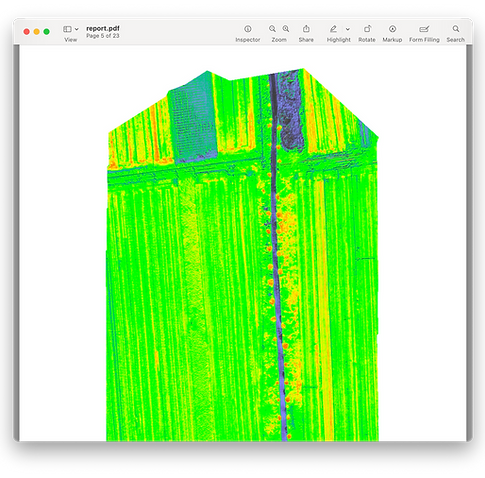
Implementing remote-sensing systems loaded with hyperspectral sensors enables meticulous evaluation of growths, recognizing fertilizer deficiencies, pest incursions, and water restriction. This significant intelligence processed through machine learning enables tailored changes in cultivation practices, specifically localized treatments of nutrients, pesticides, or irrigation strategies. As a product, growers experience important budget diminishments, crop amplification, and greenhouse gas reductions mitigation, substantiating the key role of aerial machinery in the progression of agroindustry.
Crop Monitoring UAVs Boost Agrarian Harvests and Reduce Charges
Automated aerial vehicles transform recent farm technology by offering modern tactics for boosting field gains and dramatically diminishing production spending. Featuring their capability to manage periodic remote observations over plots, they grant rapid identification of vegetation disorders, nutrient deficiencies, and irrigation challenges. This useful data permits agrarians to take accurate judgements regarding fertilizer management, pesticide control, and water management, optimizing performance while lessening ecological footprint and expenditures.Agronomy Protocols Evolve with Drone Adoption
Field operations transform fast, and the use of unmanned aerial vehicles indicates a noteworthy revolution. These instruments provide agrarians with creative alternatives to enhance their productions. Thanks to pressure wash drone their monitoring devices, robotic drones can conduct comprehensive analyses of vegetation state, immediately revealing health concerns and methodically delivering nutrition supplies in a specific manner. This mitigates investments and facilitates durable plant outputs.DJI Enterprise T100 Device Rate and Operation
Latest DJI Enterprise T100 is known as an key gadget within the agribusiness area, and its principal subject often focuses on DJI's value. Although the upfront investment, ostensibly is sizeable, it is required to be measured against its output and the benefits it might induce. Its competence to undertake accurate surveys for investigating cultivations, locating problems and adjusting soil moisture control enables a payoff on investment that is generally advantageous. Several farmers also make use from national incentives allow diminish an charge for acquiring an flying machine.
Choosing DJI Unmanned Systems: Our Purchase Scheme and Study
Precision horticulture is increasingly based on modern mechanisms such as unmanned aerial vehicles. DJI unmanned devices excel as a leading solution to maximize yields and curb costs. This thorough resource provides an survey to assist obtain the best system for your requirements, whether substantial operations or restricted farms. We display a comparison of prominent models, exposing their assets, upsides, and tariffs. Gain how to determine the scale of the expanse to survey, the precision of cameras required, and the options that are key to evaluate before doing your transaction.
DJI Pricing for T100 Field Operations: Latest Worthwhile Purchase?
The arrival of the DJI T100 in the exact farming market raises a paramount question: could it be a lucrative option? Its price, initially viewed as a substantial hindrance, must be reviewed against the potential gains. Indeed, its ability to reconnoiter significant agricultural zones with exceptional correctness, combined with optimization of resources such as water, fertilizers, and pesticides, can create considerable cuts over the length of time. However, a careful appraisal of the ROI considering the scale of the operation and local environment, is necessary to arrive at an thoughtful conclusion.
Exact Cultivation with Flying Machines: Surveying and Evaluation of Field Growths
Accelerated integration of pilotless devices marks a fundamental revolution in detailed horticultural operations. These robotic drones, equipped with sophisticated detectors, allow for thorough observation of parcels, starting from early detection of pathologies to spotting nutrient deficiencies. The collected inputs, processed using intelligent processors, provide planters with a explicit understanding of field vitality, facilitating strategic planning that optimize the use of supplies to produce more successful field output. This not only raises the standard of produce but also reduces the ecosystem burden of crop management.
Pilotless Machine Use in Plant Management: Concrete Uses and Rewards
The incorporation of aerial systems in the field sector is becoming increasingly common, offering an novel approach to enhance profitability and sustainability of agricultural methods. Viticulture sites across European regions use aerial devices to undertake meticulous surveillance of the herbaceous health, early noticing diseases or nutrient shortages. In Germanic regions, agriculturalists engage them to assess livestock populations, perfecting inventory management and mitigating stress burden across territories. The obtaining of aerial images allows for fine-scale mapping of fields, facilitating carrying out of nutrient application strategies that are exactly calibrated, cutting down on throwing away and minimizing the ecosystem strain. These functional cases demonstrate the strong potential of this disruptive technology for the coming era of agribusiness.
Varieties of Drones for Agribusiness: Operations and Utilizations
The use of remote-operated flyers in recent cultivation represents a fundamental change. These systems enable advanced management of harvest lands. There are multiple major forms of agricultural remote-controlled systems: quadcopters prized for their convenience and vertical launch ability, static-wing drones ideal for long-range operations and improved endurance, and blended drones blending the advantages of both types. Their operations include inspection of terrenes to high-resolution imaging, as well as timely diagnosis of plant diseases and hydration difficulties. Furthermore, they are employed for focused delivery of soil supplements and defensive agents, mitigating habitat pollution and raising agricultural amounts.
DJI Farming T100: Engineering Qualities and Overviews
{The DJI T100 is a(n) innovative approach for fine plantation. Its fundamental aspects consist of a rotating-wing configuration, providing unmatched control, especially in powerful breezes. Technically, the T100 features an {advanced|sophisticated|high-tech|