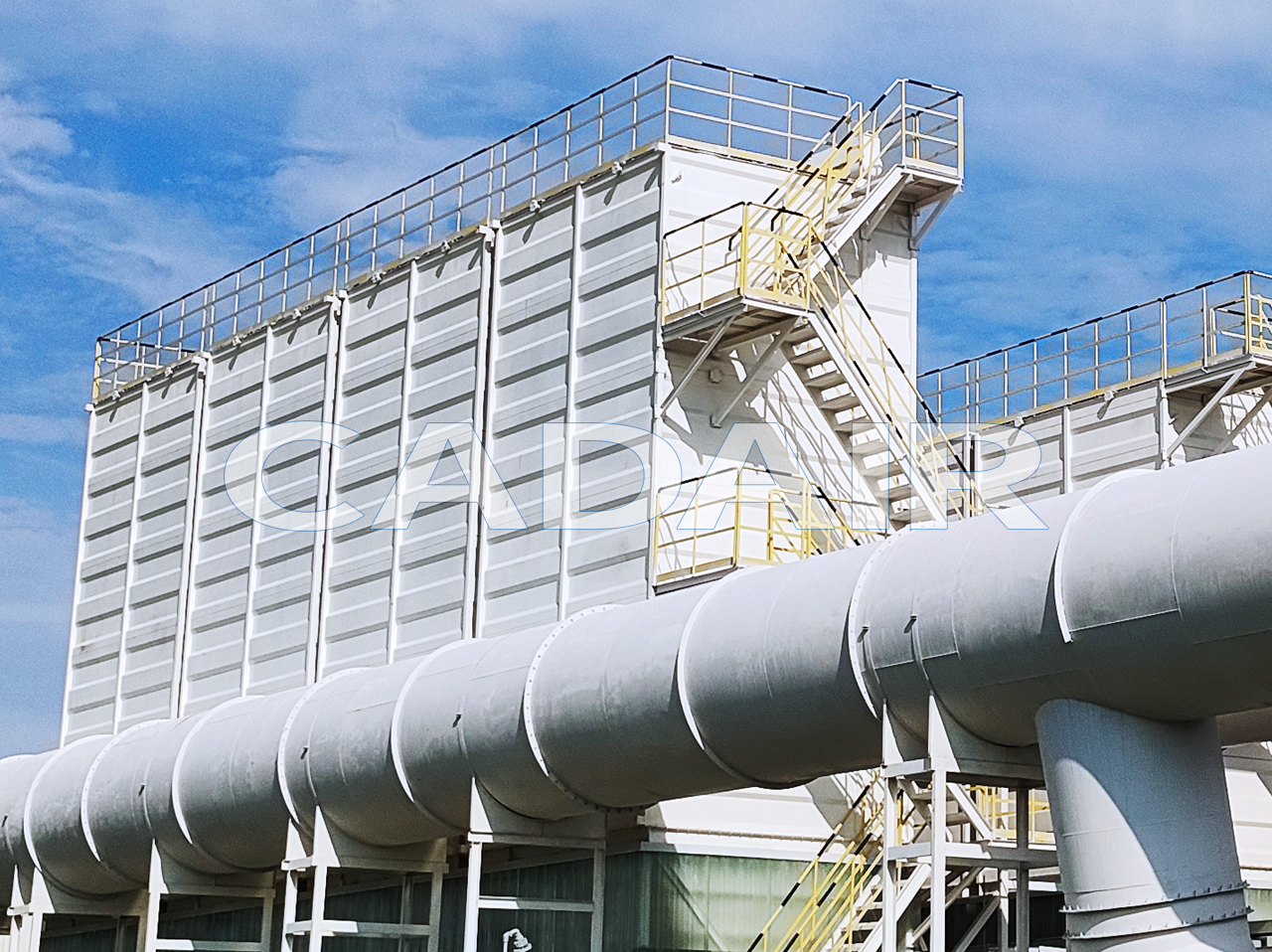
customer centric air quality centric waste gas treatment equipment solutions?
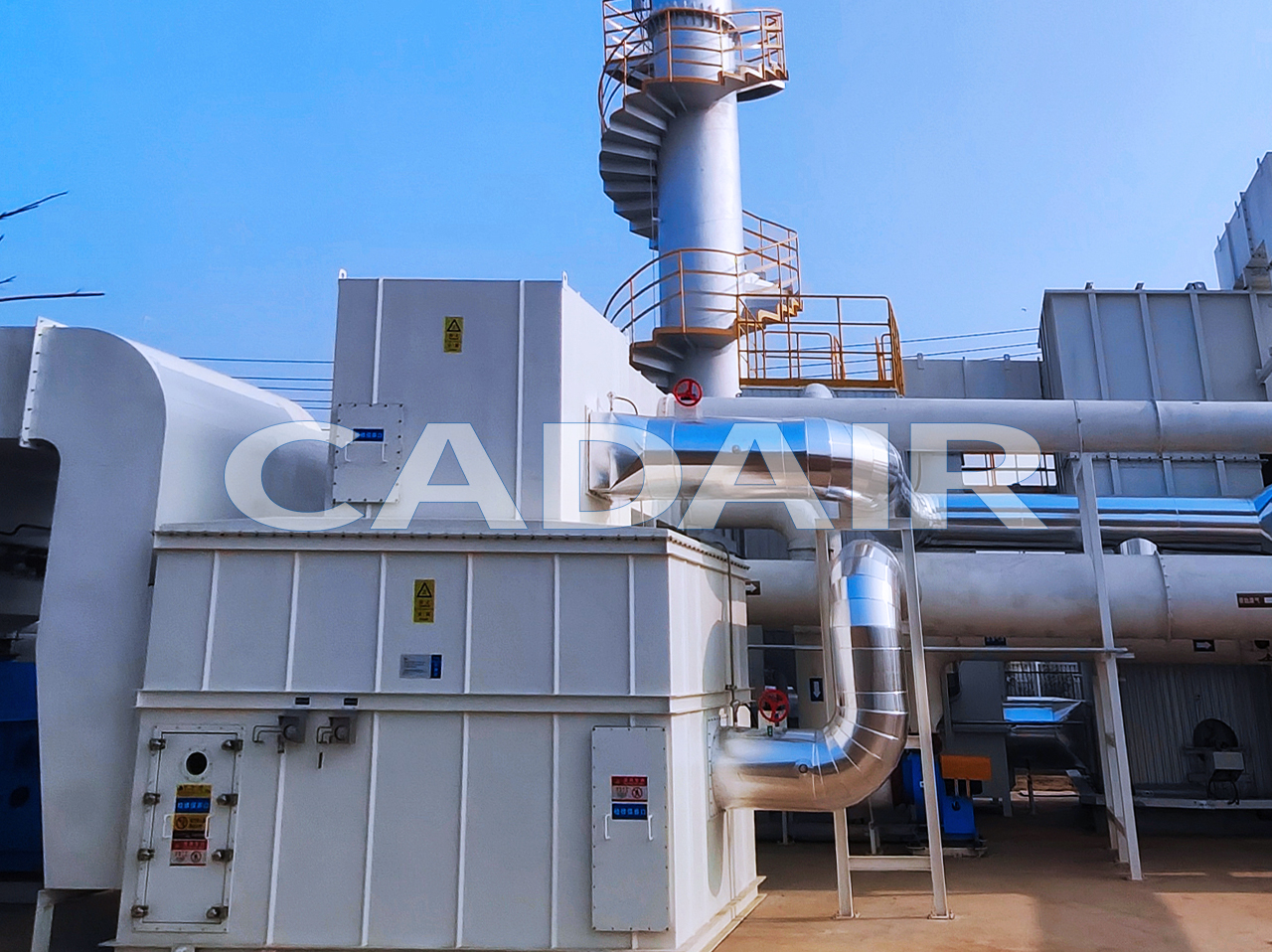
Launching
Volatile organics cause health risks (Compounds) threatening people and nature. Conventional cleaning techniques utilize heavy energy consumption and form damaging refuse. Zeolite rotors offer sustainable alternatives, offering effective VOC adsorption across gaseous phases. These materials feature high surface area and unique pore structure fostering powerful VOC entrapment.
- In addition, zeolite turntable systems restore, shrinking habitat stress and budget.
- Accordingly, zeolite spinning methods develop in diverse production contexts, including plant discharge management, internal atmosphere purification, and wastewater treatment.
Implementation of zeolite wheels signifies a major change towards sustainable VOC removal, bringing nature-friendly and cost-effective results.
Regenerative Furnace Oxidizers: Efficient Air Filtering
Regenerative heating combustion systems yield progressive air management. These devices exploit warm oxidation cycles of contaminated gases at increased thermal settings, deeply eliminating toxicants into non-toxic residues. Reused thermal energy lowers expenses. They effectively eradicate organic volatiles, particulates, and pollutants. Utilized broadly across manufacturing, hospital, and wastewater disciplines.Advantages cover enhanced atmosphere, eco preservation, and financial savings. Complementarily, petite structure and straightforward maintenance classify them feasible.
Catalytic Combustion Units: Pollutant Reduction Solutions
Building operations emit hazardous volatile compounds. Catalyst-driven oxidation installations lower ecological footprints. Catalytic substances promote change from hazardous to clean forms. They accelerate reaction kinetics and lower power needs.
Assorted catalysts operate in various contexts, including expensive metals including tantalum and hafnium. Catalyst choice is essential for optimizing elimination rates. Reactor structure ensures thorough pollutant-catalyst interactions to improve pollutant transformation.
Catalytic units outperform classic approaches by targeting. They eliminate chosen impurities while protecting base gases. Besides, they perform in chilled conditions impacting budgets favorably. Steady improvements optimize emission reduction via catalysis facilitating cleaner processes and healthier environments.
Optimizing Regenerative Catalytic Oxidizer Output
Gaining optimal results entails thorough analysis. Picking fitting catalyst types remains essential. Adjusting control variables including warmth and exposure boosts efficiency. Monitoring and control strategies reinforce effectiveness. Routine maintenance and inspections guarantee longevity of the system and execution.
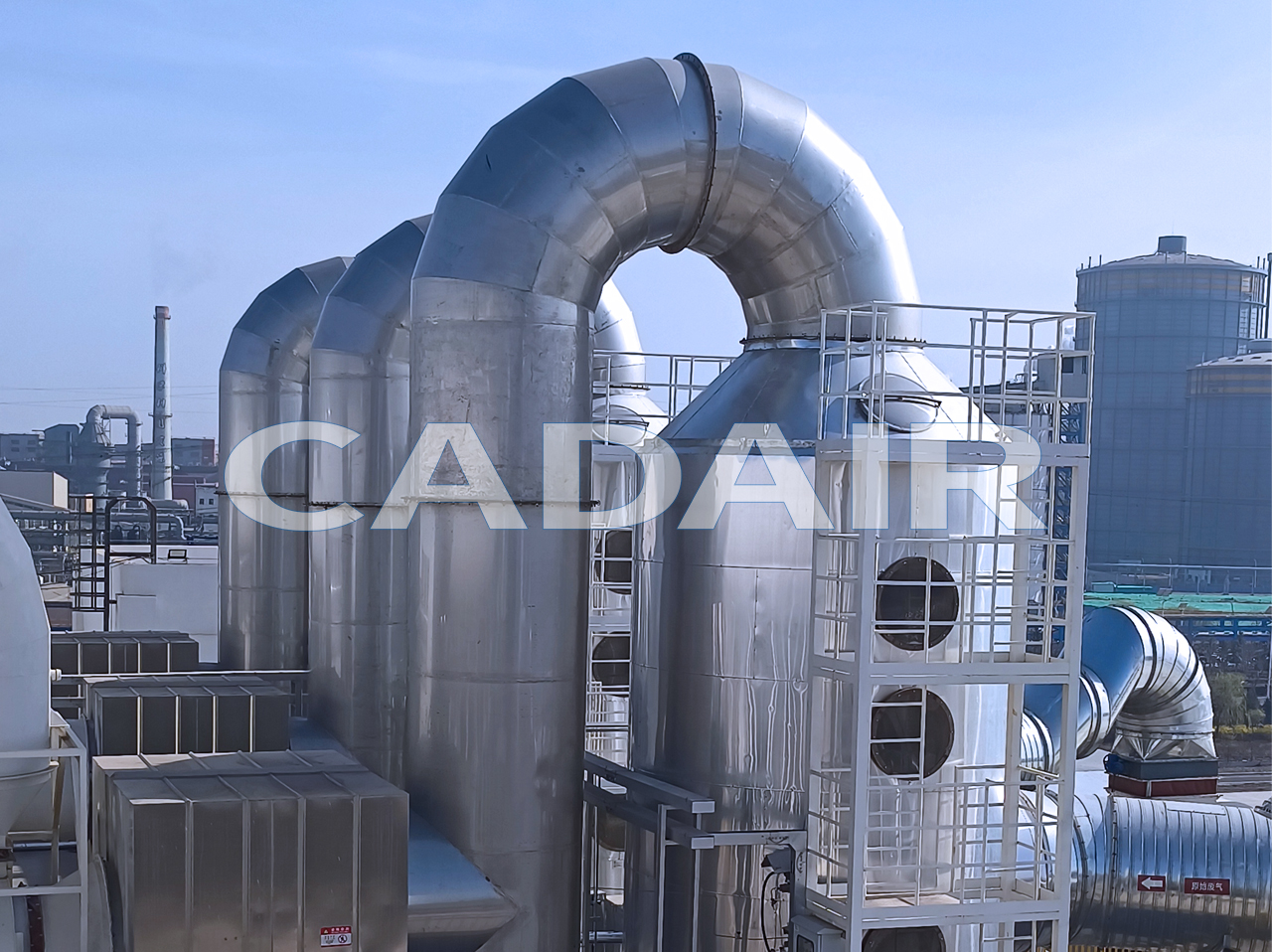
Zeolite Effects on Thermal Oxidizers
RTOs play crucial roles controlling VOC emissions. Zeolite compositions supply vital contributions via adsorption and catalyst functionality. Targeted VOC adsorption augments combustion quality. Further, zeolitic catalysts accelerate decomposition lowering power needs and optimizing system output.
- Hence, integrating zeolites in thermal oxidizers enhances pollutant removal, conserved energy, and environment.
Reviewing Synthetic Zeolites Compared to Established Catalysts
Recent catalyst innovations prompted comparative assessments of laboratory-made zeolites contrasted with classical catalytic materials. The inquiry evaluates catalyst potentials, specificity, temperature capacity, and cost-effectiveness. Finalizing by appraising synthetic zeolite performance in VOC conversion by RTOs. This benefits enhanced and responsible pollution abatement systems.
- Highly porous crystalline zeolite frameworks with vast interface optimize catalysis.
- Traditional catalysts, largely metal oxides, face limitations in activity and selectivity.
What's more, reviews analyze temperature settings, residence intervals, and input mixes impacting zeolitic and usual catalysts. This wide-ranging evaluation nurtures optimizing regenerative oxidation catalysts maximizing VOC clearance and minimizing operational energy.
Simulation Techniques for RCO Performance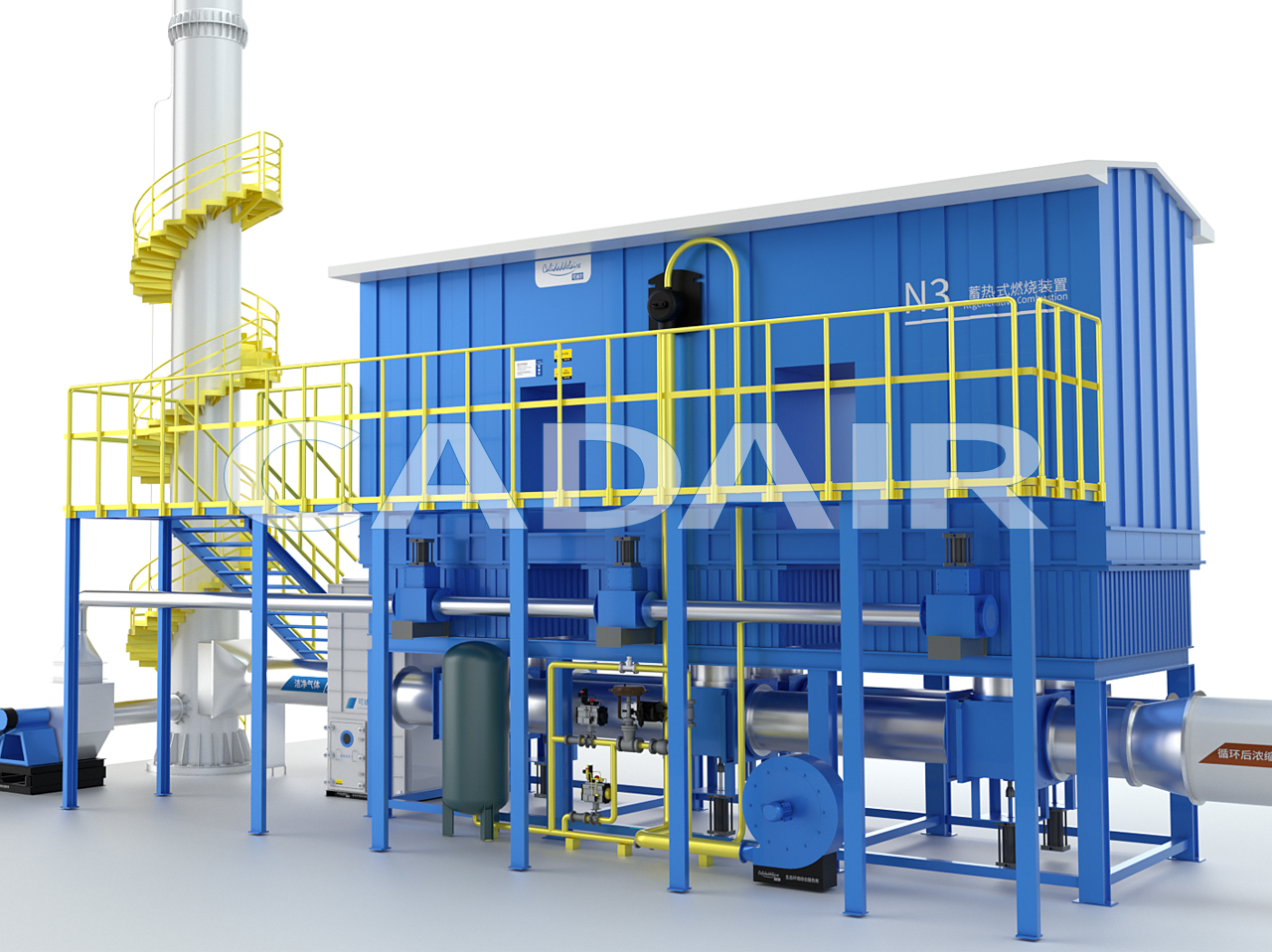
Refined catalytic breakdown systems manifest intricate configurations addressing toxin-laden gases. These systems instigate catalytic transformations breaking down hazardous materials liberating heat byproduct. Their system sophistication necessitates accurate simulations aiding analysis Waste gas treatment equipment and enhancement. Analytical modeling supports foreseeing principal parameters under assorted operation conditions. In addition, simulation work exposes faults allowing refinement leading to better catalytic oxidizer setups.Comparing Thermal and Catalytic Oxidation: Selecting Optimal Method
Electing effective oxidation systems calls for thorough judgment. Thermal and catalytic oxidation each offer unique advantages and drawbacks. Combustion oxidation involves intense heat stimulating chemical changes. Catalyst-based oxidation catalyzes transformations at temperate warmth. Decision changes by operational results, affordability, and substrate conditions.
- Heat-fueled oxidative processes commonly yield enhanced conversion requiring more energy
- Catalyst-based methods operate at lower heat cutting costs and pollutants
Extensive understanding of conditions enables tailored technology picking. Relying on knowledgeable advisers enriches decision-making aligning function with ecological impact.
Controlling Emissions via Zeolite Rotor Systems
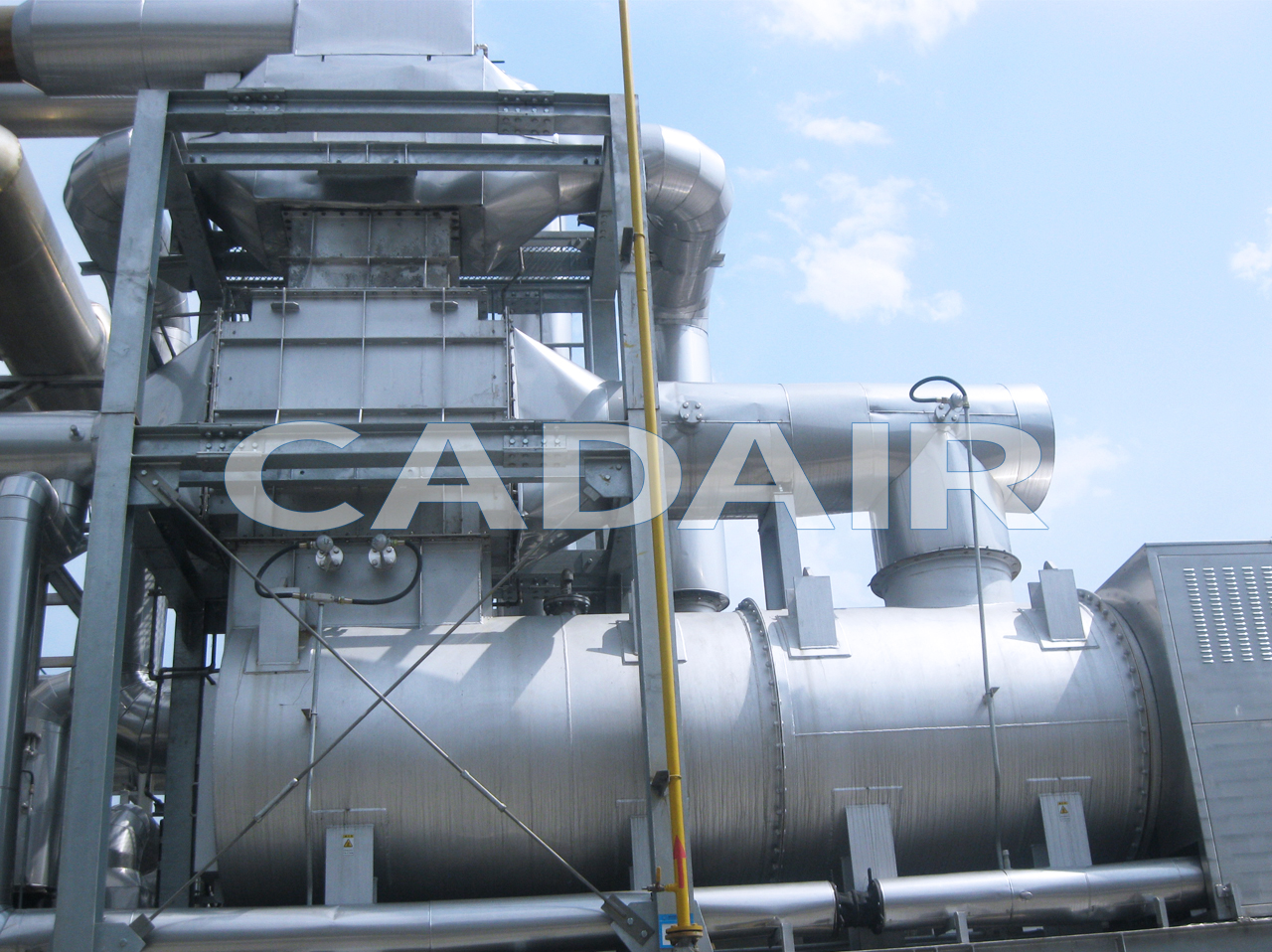
Zeolite spin device applications prove useful for gas emission control across industrial and automotive sectors. Made from ordered zeolitic crystals, these rotors ensnare pollutants via surface, chemical, or static field effects. Dynamic rotor movement allows steady and effective contaminant management. Multiple zeolite blends adapt to capture gases such as CO, NOx, and volatile organics, making this technology adjustable, supple, and comprehensive for wide-ranging environmental challenges.
- Besides, zeolite rotor technology provides advantages unmatched by traditional emission control methods, including:
- Decreased electricity demand.
- Efficient layout.
- High removal efficiency.
Uninterrupted R&D efforts strengthen zeolite rotor mechanisms, accelerating sustainable breakthroughs throughout sectors.
Examples of Effective Regenerative Oxidizer Use
Among advancing oxidation technologies, regenerative oxidizers illustrate potent and efficacious applications. Their capacity to convert waste emissions into valuable resources attracts considerable attention.
- A key case highlights regenerative oxidizer mitigating extensive pollutants within a chemical factory achieving significant exhaust abatement and demonstrating environmental benefit potential.
- Further example captures regenerative oxidizers employed in power plants converting biomass into energy enabling effective and sustainable power generation using biomass waste offering eco-conscious substitute for petrol sources.
These case reports showcase regenerative oxidizer adaptability and reliable function across industries. Unceasing improvements expect influential technological integration for this promising technology in upcoming years.
Transforming Air Management: Zeolites and Regenerative Innovations
Given mounting worldwide environmental threats, advanced remedies become necessary. Key advancements include integrated zeolite and recyclable system applications. Zeolite materials, prized for exceptional uptake and adjustable cavities, capture emissions effectively. Combined with reusable frameworks, they facilitate ongoing pollutant extraction and recycling reducing refuse and enhancing green impact. This combination provides powerful techniques tackling multiple contamination problems covering plant outputs, automotive fumes, and interior air conditioning. Furthermore, continuous studies optimize zeolite composites and regenerative designs, enabling more advanced and flexible air treatment units.
- Next-Generation Zeolite Frameworks
- Green Technology Advancement
- Foreseen Benefits to Air Quality Improvement