high impact user protection focused ip lookup value framing?
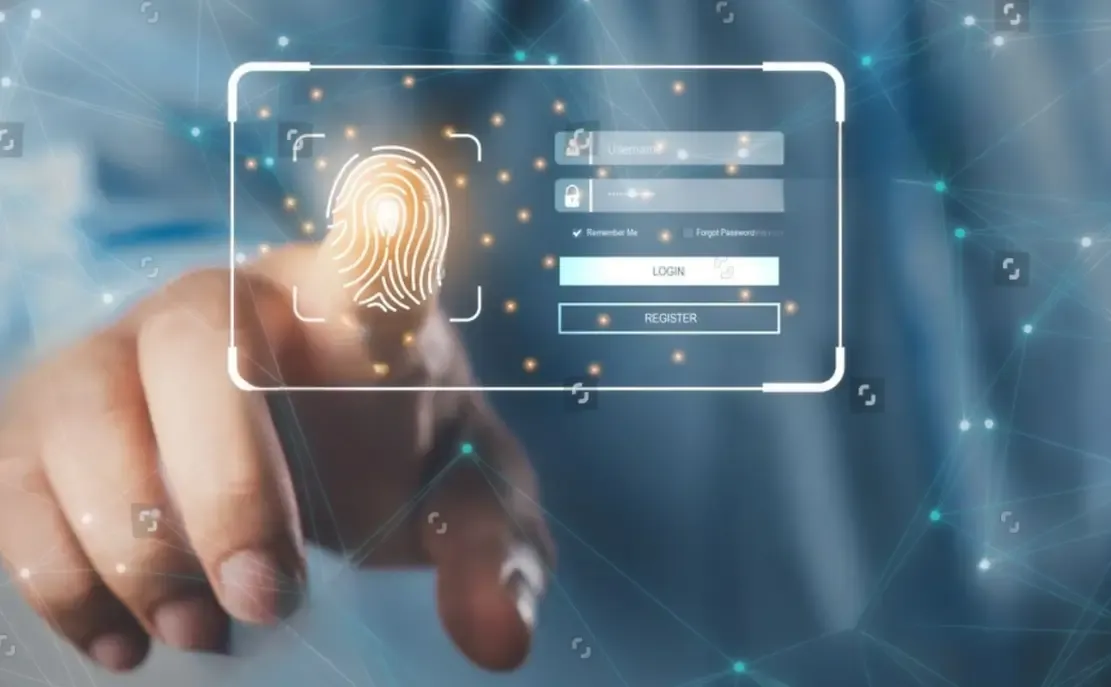
Every involvement shapes,each movement registered,every procedure tracked construct a data pathway.Such marking signifies information regarding you, even ignoring cookies nor direct markers. Delve into browser uniqueness systems,a technique that examines your exclusive browser environment, plugins,software plugins,system platform, besides time locale to assemble a specific persona – your token.This hidden sign is utilized by promoters,observation groups,and cyber offenders to recognize you on websites,adjust campaigns,trace browsing history, and amass thorough biographies of your hobbies.Identifying online fingerprinting is key to maintaining confidentiality ip quality score within the online age.
- Understanding fingerprinting details aids enlightened protection tactics within digital contexts.
- Applying anonymizing options curtails risks stemming from persistent surveillance.
For that reason, noticing your cyber trails and mitigating their effects is fundamental for personal security in a connected world.
Undetected Hazard: Recognizing and Stopping IP Data Leaks
Confidential materials (property rights) signifies an important asset for institutions. Preserving this precious holding from leakage is imperative. Despite this, IP breaches may be elusive, often neglected until extensive injury occurs. An efficient system for detecting and preventing IP compromises is foundational. This requires applying robust controls to secure sensitive data. Regular security reviews assist in finding weaknesses and conceivable breaches. Similarly, training staff on the urgency of IP defense supports a framework of attentiveness, significantly reducing the chance of confidentiality failures.Analyzing the Background Behind Virtual Characters
Moving the unlimited zone of the online world can feel like roaming through a network of untraceable characters. Every individual, marked by a singular IP number, leaves a digital record that can unveil their internet patterns and locale. But how accurate are these deductions? And what are the ethical effects of such substantial IP address queries? This report explores the absorbing realm of IP address examination, disclosing both its abilities and hazards.
Independently of if, you're a data defender, a inquisitive party, or simply worried about online privacy, understanding the mechanics of IP address lookups is required.
- Let us investigate the operational components behind these inspections, illuminating how they execute and the knowledge they supply.
- Also, we'll deliberate on the ethical questions surrounding IP address monitoring, considering its assets and liabilities.
- Therefore, we'll enable you with the wisdom needed to navigate the cyber space carefully and defend your profile.
Preserve Your Connections: A Guide to DNS Leak Testing
Within the vast online realm, safeguarding your cyber privacy is paramount. A common deficiency often overlooked by users is DNS breaches.Such failures happen when your device propagates sensitive DNS requests to unapproved recipients, possibly broadcasting your online tracking and area mapping to third parties. Performing a DNS leak test is essential to uncover these weaknesses and secure your connections remain unbreached.
A DNS leak test involves sending directed DNS queries and checking the outputs. Valid leak-testing software review these indications to confirm if any traffic is routed through wrong destinations.
- Various DNS leak test sites are accessible via the internet.
- Pick tools that sport broad evaluation capabilities.
- Carry out tests often to track your network's protection strength.
Leveraging effective techniques and conducting regular DNS leak tests, you can strengthen your electronic security and obtain a more secure network usage.
Hidden Digital Marking| The Concealed Web Journey
Each time you navigate the internet, a unique identifier is constructed. This approach, called browser fingerprinting, analyzes your online usage by considering subtle characteristics about your application. It resembles a digital label that makes known your existence even if you are not validated.
- Browser fingerprinting deploys a large variety of data points, such as your browser settings, installed typography, screen resolution, and even the modules you possess.
- This broad collection of data can be gathered into a unique profile that identifies your device with distinct accuracy.
- The results of browser fingerprinting range from tailored marketing to the option for oversight your online footprints without your awareness.
As you venture into the digital space, being informed of this silent tracker is indispensable. By knowing how browser fingerprinting functions, you can take measures to preserve your discretion.
Is Your Internet Address Unsecure?
In the today's digital landscape, shielding your personal records in cyberspace is necessary. Yet, are you cognizant that your IP address, a individual indicator assigned to your device, can be accidentally exposed? Such an IP leak can compromise your secrecy, rendering you susceptible to various cyber threats. Understanding how IPs function and adopting effective protection methods is fundamental to ensure cyber defense.
- Apply a trustworthy VPN that secures your internet traffic and conceals your IP address.
- Periodically update your software and operating system to patch any vulnerabilities.
- Be careful when clicking on links or downloading files from unverified sources.
In-Depth Look at IP and Browser Fingerprint Mechanisms
Within electronic surveillance, relying solely on IP addresses offers a constrained viewpoint. While IPs provide a basic sign to a user's site-specific environment, they can be easily masked. Browser fingerprinting offers a elevated method for pinpointing individuals online. Unlike IPs that tend to be relatively static, browser fingerprints provide a unique depiction based on the myriad settings, extensions, and characteristics connected to each user's browser. This complex mosaic of data can expose hidden details about a user's system, operating system, plugins, fonts, and even browsing history.
By scrutinizing these small nuances, security experts can fabricate a digital fingerprint that serves as a unique identifier for users, even when they try to mask their IP address. This strong tool has broad applications in industries such as fraud prevention, targeted marketing, and law enforcement.
What You Should Know about DNS Leaks
Browsing the web may seem harmless, yet beneath the surface lie probable risks that could jeopardize your privacy and security. One such hazard is DNS leaks, a covert breach that provides your internet behaviors to be exposed. When a DNS leak happens, your device sends DNS requests through public channels, revealing the websites you visit, even if you use a VPN or other protective measures. This can cause data intrusion by malicious individuals, enabling them to monitor your browsing habits, steal confidential information, and potentially gain access to your accounts.
- Stay alert to DNS leaks by recognizing their mechanics and potential dangers.
- Choose a trusted VPN provider that offers robust DNS leak protection.
- Regularly assess your system for leaks to keep your online activities shielded.
Taking preventive steps to mitigate DNS leaks supports your privacy and ensures a enhanced online browsing experience.
Learning How to Conduct IP Lookups
- To begin with, select a solid IP lookup tool. Numerous online services and software equip this capability, some even featuring advanced options like geolocation data and WHOIS information.
- Subsequently, enter the IP address to investigate in the given input area. The tool will then scrutinize information related to that address, offering a full report on its origin, location, and maybe owner details.
- It is important to use IP lookup tools lawfully, avoiding misuse or unauthorized intrusion into others' privacy. Use these tools only for legitimate purposes like cybersecurity investigations or site analytics.
Avoiding IP Leakage: Security Solutions and Approaches
In latest web environment, shielding your intellectual property (IP) is crucial. Confidentiality losses can cause serious consequences for enterprises at all levels. To lessen this risk, organizations must enforce strong safeguards to keep sensitive data away from unauthorized access.A comprehensive method is necessary, encompassing technological tools as well as dependable security standards. Barrier technologies serve as the first line of defense, stopping malicious attempts. Encryption of data makes sensitive information unreadable, preventing unauthorized viewing. Continuous software updates improve security that could be exploited by attackers.Beyond technology, cultivating a prepared setting is vital. Employees should be educated on proper handling of confidential data, including strong password management, multi-factor authentication, and identifying phishing tricks. Regular security audits assess weaknesses and open opportunities to boost defenses.
Mastering Digital Privacy: Combating Browser Fingerprinting and IP Leaks
In today's connected world, safeguarding your network confidentiality is crucial. Though robust passwords and multi-factor authentication contribute, they alone won't offer full protection against developed threats like browser fingerprinting and IP leaks. Browser fingerprinting is where websites collect unique identifiers about your browser setup, essentially creating a digital profile used to track your movements across the web. IP leaks happen when your true IP is disclosed unintentionally, putting your security at risk. To counter these effectively, adopt combinations of strategies.
- Leverage privacy-centered browsers and search engines that emphasize data protection and anonymity.
- Turn on browser extensions that block trackers, cookies, and fingerprinting scripts.
- Investigate virtual private networks (VPNs) to encrypt your online traffic and hide your IP address.
- Regularly update your browser and operating system to remedy exploits.