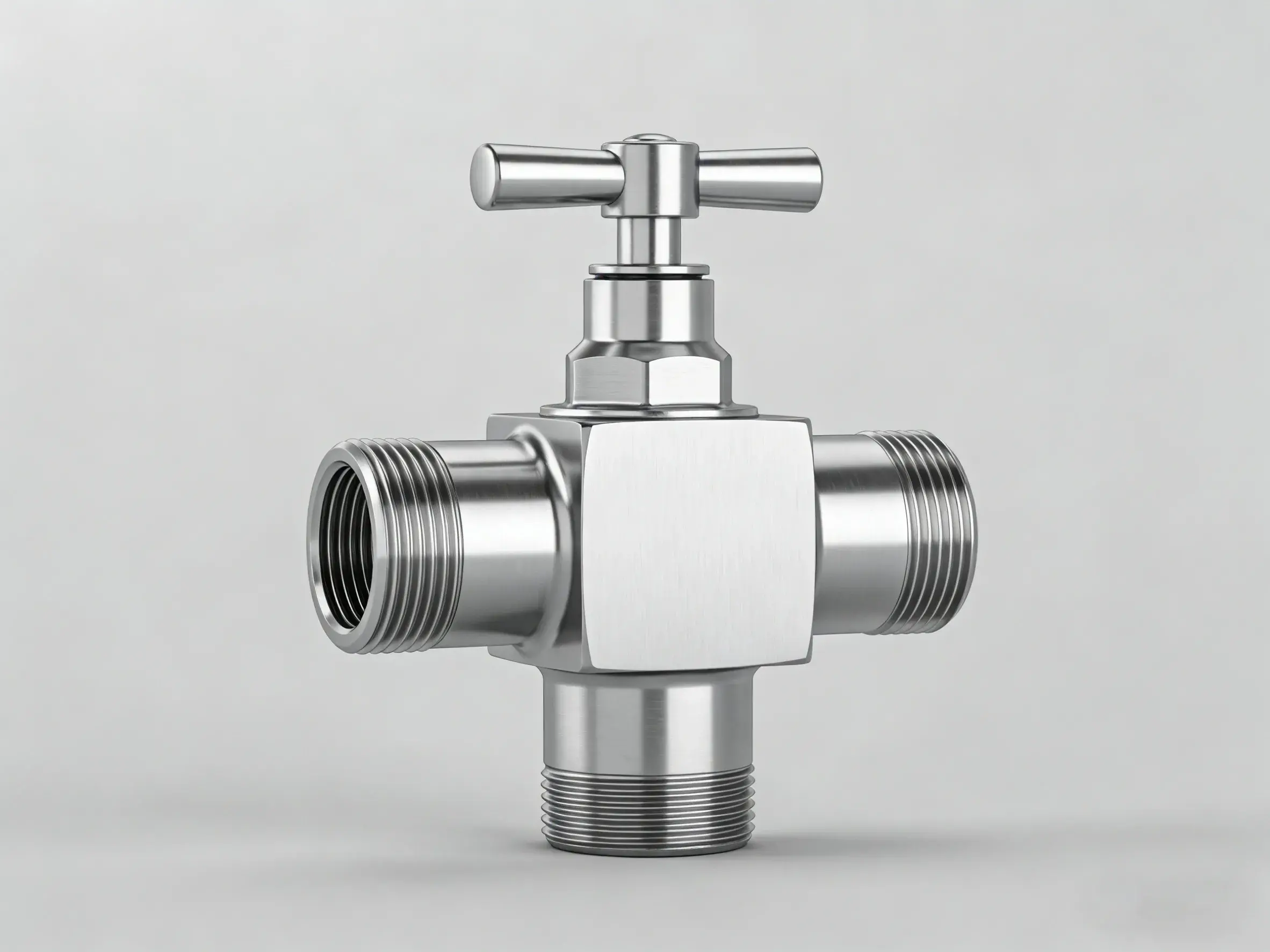
multi industry suitable strategic alliance global valve lines?
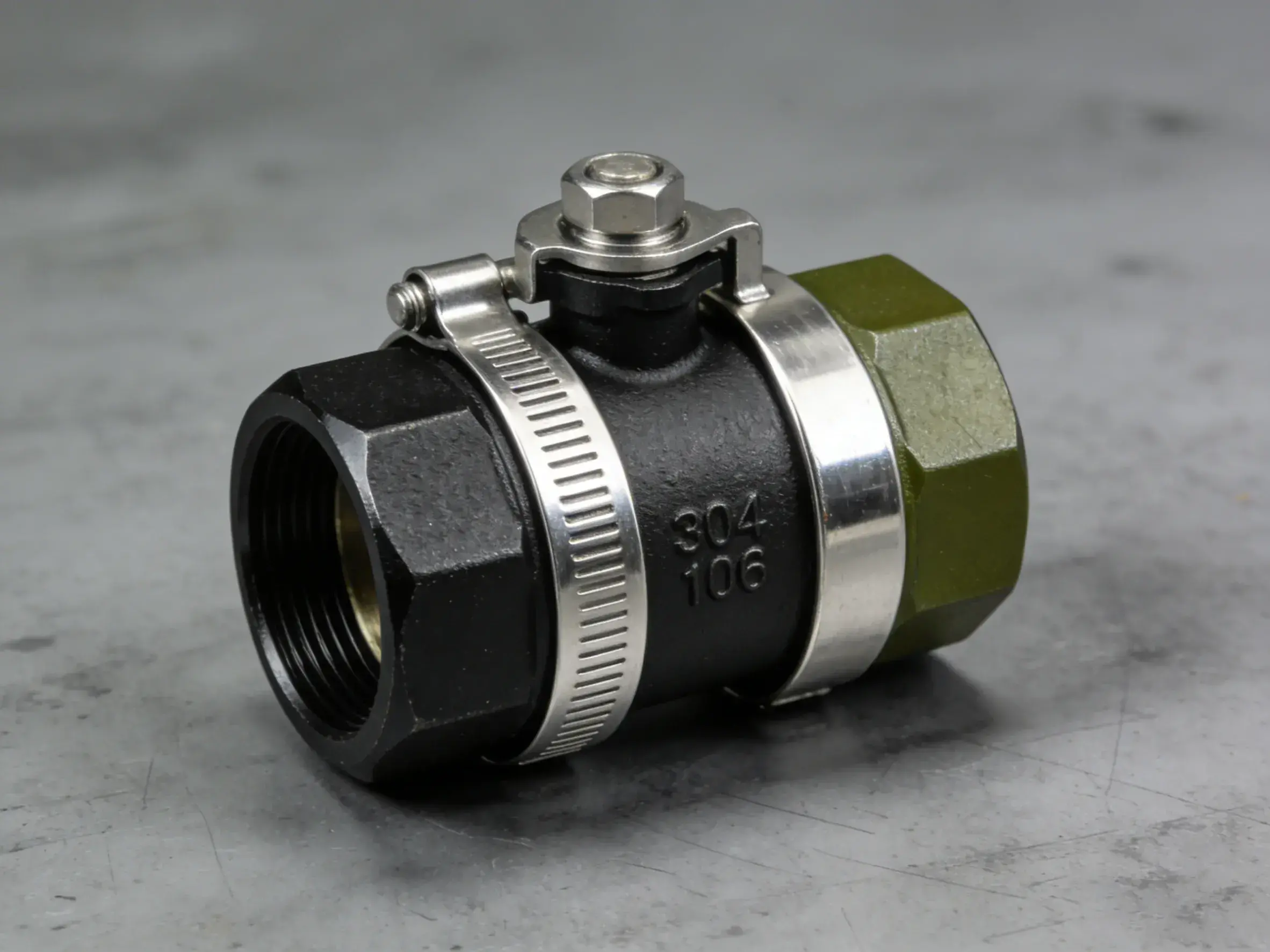
Crucial industry valve selection boosts system operation and comprehensive system output. To secure peak operation, there is a need to diligently select valves that conform to system necessities.
A complete valve decision guide shall examine a set of determinants covering fluid composition, load pressure, temperature bracket, flowing volume, and controlling standards. Additionally, determining the preferred valve activation system, for example pneumatic, hydraulic, or electronic, is critical.
Thorough Analysis of Butterfly Valve Capacities
Figuring out suitable operational metrics for butterfly valves is necessary for analysts striving for efficient system regulation. The examination addresses essential aspects governing butterfly valve efficiency, including design attributes, operational contexts, and testing approaches. Through a thorough examination of these aspects, this article aims to provide a comprehensive understanding of the factors that contribute butterfly valve performance.
- Structural components crucially influence total efficiency
- Constituents of valve framework strongly determine resilience amidst multiple working contexts
- Fluid pressure loss stands as significant parameter for estimating butterfly valve productivity, mainly at boosted throughput levels
Function of Ball Valves under High Load Conditions
Ball valves demonstrate as steady alternatives for operating extreme pressure uses. Their basic scheme involves a spherical piece with an inlet that rotates to manage fluid transit. This framework proficiently deals with amplified pressure phases thanks to its firm sealing.
Across domains like fuel extraction, ball valves undertake a crucial position in overseeing substantial pressure conduits. Their strength renders them suitable to endure the strain of elevated pressure liquids.
- On top, ball valves employ prompt switching, ensuring effective flow modulation.
- Accessible in several compounds and capacities, ball valves customize to address distinct necessities of assorted heightened pressure contexts.
Comprehending Different Valve Categories and Their Roles
Within fluid technology, valves act an indispensable part in directing flow of fluids or air. Deciding on applicable valve model is necessary to maximize performance. Valves may be classified regarding their functional concept, configuration, and usage. Standard valves consist of gate, globe, check, ball, and butterfly assortments. Each form shows singular qualities, matching them to custom applications. To illustrate, gate valves oversee flow fully, whereas globe valves provide subtle oversight of throughput. Check valves restrict backward flow, protecting one-directional movement. Ball valves provide fast and dependable open-close control, whereas butterfly valves excel in high throughput scenarios.
Elevating Flux Control through Industrial Valves
Handling movement of fluids and gases is significant in numerous operational domains. Valve structures govern essential activities controlling liquid and gaseous movements through systems. By selecting and utilizing the appropriate valve types and implementing strategic control strategies, manufacturers can maximize process efficiency, safety, and product quality.
An essential subject in developing flow operation includes understanding numerous valve roles. Multiple valve outlines align with unique flow profiles, compression spans, and operational milieus. In particular, globe valves are often engaged for throttling flux, and ball valves shine in toggling operation.
Attaining definitive flow control involves scrutiny of variables such as valve dimensions, actuation technologies, and supervisory structures. Leveraging cutting-edge control solutions including PLCs permits robotic flow surveillance and adjustment, advancing process efficiency.
Regular maintenance of industrial valves is crucial to prevent failures and maintain optimal flow control. Pinpointing possible troubles early helps curtail expensive breakdowns and assure fluid operation of crucial methods.
Repair Protocols for Plant Valve Mechanisms
Regular maintenance of industrial valves is crucial for ensuring smooth and reliable operation within any industrial setting. A detailed routine must be followed, involving periodic checks to uncover prospective concerns ahead of critical breakdowns. Lubricating valve assemblies based on vendor advice effectively increases longevity while reducing friction. Besides, preserving valve purity by extracting contaminants supports flawless activity.
A full restoration plan should involve meticulous tracking of valve service activities, including times, employees, and parts swapped. Attentive reporting supports following up valve health through time and improves sagacious planning for maintenance cycles.
Automation's Impact on Valve Functioning
Automated advancements have reshaped valve operation techniques in different markets. Applying automated functions offers superior valve command, lowering manual interferences and advancing performance. Robotic valve operation delivers multiple gains like amplified exactness, lessened interruptions, and strengthened safety
- Sensors play a crucial role in automated valve systems, providing real-time data on valve position. The system evaluates these signals to automatically alter valve controls
- Automation control modules routinely govern electronic valve tasks, enabling complex command strategies. They are capable of tracking valve status, detecting possible problems, and initiating remedial measures
Besides, robotic valve handling advances superior process observation. Collecting valve usage details enables operators to gain essential feedback to optimize operations and curtail spending
Key Safety Precautions for Industrial Valve Deployment
Throughout installation of industrial valves, exhaustive security protocols are required. Bypassing essential safety requirements leads to harmful accidents, probably ending with plant breakdowns and significantly employee casualties. A vigilant peril inspection must be arranged before mounting to uncover hazards and integrate applicable management measures.
Ensure that all personnel involved in the installation process are adequately trained and certified in handling industrial valves and adhering safety guidelines. Organize a reliable method of inspection cycles purposed to identify defects or decline in valve components. Retain complete paperwork covering all installation, evaluation, and servicing efforts to support long-term management
- Adhere to applicable trade guidelines and laws controlling valve setup and management
- Operate adequate utensils and mechanisms built for industrial valve construction
- Coordinate clearly with every participant related to the initiative to guarantee secure and smooth assembly
Valves: Fundamental Parts in Manufacturing Fields
Across the sophisticated segment of fabrication/processing/manufacturing frameworks, valves become fundamental pieces. Their role is to direct the stream of liquids inside complicated setups, guaranteeing smooth performance and protection. Valves serve extensively in varied activities, comprising command of temperature variables and pressure parameters coupled with moving items
- Various types of valves exist, each designed to perform specific functions. Some common examples include gate valves, ball valves, and globe valves
- Choosing the right valve relies on criteria like volume, force, heat, and fluid classification
- Robust valve functioning stands vital in industrial environments to deter outages and maintain product excellence
Periodic checking of valves remains vital for extending service life and curbing possible breakdowns
Innovative Substances for Valve Construction and Fabrication
The advancement in valve engineering and production greatly depends on ongoing investigation of innovative substances. These innovative materials provide diverse enhanced traits over conventional options, allowing designers to devise valves that perform better. Important instances comprise durable ceramics valued for toughness in harsh conditions, and slim alloys that enhance effectiveness while reducing mass. The integration of these advanced materials results in valves with improved sealing characteristics, increased lifespan, and enhanced resistance to corrosion
Controlling Valve Motion: A Comparative Review
{This investigation delves into the diverse valve actuation mechanisms prevalent in modern engineering applications|This exploration examines the varied valve drive technologies common in contemporary engineering uses|The study analyzes the mixed valve triggering systems typical in current engineering projects|This research evaluates the assorted valve motion methods widespread in advanced engineering scenarios|The survey inspects the multiple valve control techniques existing in up-to-date engineering solutions|This review considers the assorted valve operating mechanisms encountered in present-day engineering environments|This analysis explores the various Filters Valves valve activation systems found in progressive engineering implementations|The inquiry scrutinizes the heterogeneous valve act