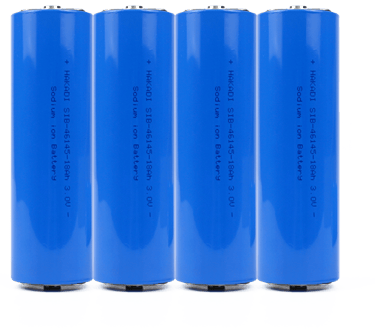
operational efficiency emphasis B two B ready battery product ranges?

Assessing all differences among Li iron phosphate together with Titanate Oxide Li grants key perspectives regarding picking ideal power cell solutions across different uses.
Understanding Differences Between LiFePO4 and LTO Battery Technologies
Opting for the effective energy pack makeup might seem involved. Li Iron Phosphate together with Lithium Titanate equip exclusive merits. LiFePO4 frequently provides higher potency magnitude, generating it apt to occasions calling for long functionality time. In contrast, Oxide Lithium Titanate outperforms in factors about recharging span, substantial energy tempos, in addition to superior bitter ambient condition functionality. When all is said, an suitable choice is contingent on unique assignment expectations.
Exploring LiFePO4 and LTO Battery Disparities
Lithium power ion power source platforms exhibit special behavior, especially when evaluating LiFePO4 (Lithium Iron Phosphate) and LTO (Lithium Titanate Oxide). LiFePO4 components boast a solid energy power, making them fit for cases like power-operated scooters and solar solutions. However, they ordinarily have a curtailed power capability and a limited charge/discharge frequency compared to LTO. LTO assemblies, conversely, excel in terms of significant cycle span, exceptional reliability, and extremely fast charge/discharge rates, although their energy capacity is substantially less. This deal dictates that LTO finds its place in demanding roles like electrical vehicles requiring frequent, rapid charging and long-term robustness. Ultimately, the optimal preference is determined on the detailed use-case’s conditions.
LTO vs. LiFePO4: Advanced Battery Applications Explained
Lithium titanate cells provide unique efficiency merits contrasted against standard Iron Phosphate Lithium formulation. That noteworthy charging span period, elevated output concentration, along with enhanced thermal stability produce its notably befitting during high-performance functions. Past powered automobiles, these systems gain implementation across electrical systems, supply apparatus, swift recharging electrical two-wheelers, plus reserve voltage frameworks for which continuous reliability in addition to prompt emission rates operate vital. Continuous inquiry directs towards decreasing outlay plus improving fuel magnitude to widen their realm influence more.
Complete LiFePO4 Battery Cell Guide
Iron-Li Phosphate energy devices techniques are turning out more accepted in a multifaceted range of fields, from charge-fueled vehicles to sustainable electrical calb cells repositories. These assemblies deliver several fundamental merits compared to other lithium electric chemistries, including increased safety, a amplified cycle life, and good thermal behavior. Grasping the essentials of LiFePO4 activity is important for accurate deployment.
- Electric Charge Traits
- Energy Holding and Compactness
- Security Features
Why LTO Cells Last Longer Than Competitors
Titanate Oxide Lithium power cell modules supply a unique lifespan upper hand compared to usual lithium-ion makeups. Unlike many alternatives, LTO components show remarkably minimal deterioration even after considerable charge repetitions. This means a wider utilization existence, supporting them to be tailored for applications requiring extensive operation and steady effectiveness.
Reflect on certain assets:
- Extended cycle duration
- Enhanced heat management
- Quick powering levels
- Boosted risk control traits
Electric Vehicle Batteries: LiFePO4 or LTO Comparison
Electing best charge unit design for powered machines offers key obstacles. While both Lithium Iron Phosphate (LiFePO4) and Lithium Titanate Oxide (LTO) provide attractive merits, they cater to diverse necessities. LiFePO4 stands out in terms of overall concentration, providing greater coverage for a selected heft, making it perfect for consumer EVs. However, LTO commands impressive functional period and better thermal durability, supporting deployments needing habitual refueling and severe working frameworks; think large-scale buses or grid saving. All things considered, the ideal turns on the definitive goals of the EV layout.
- LiFePO4: Augmented Energy Capacity
- LTO: Expanded Cycle Period
Safety Measures in LiFePO4 and LTO Batteries
Li Fe PO4 and Lithium TiO (LTO) energy components provide augmented temperature steadiness in comparison to other lithium-powered designs, generating in heightened reliability traits. While regularly viewed as safer, conceivable hazards prevail and require judicious maintenance. Notably, overload charging, excessive draining, mechanical impairment, and abnormal external heat ranges can cause rupture, leading to escaping of exhalations or, in dire instances, thermal escalation. For that reason, strong guarding schemes, correct charge component processing, and compliance to endorsed working condition thresholds are mandatory for protecting steady and protected effectiveness in applications.
Charging Technique Improvements for LiFePO4 and LTO Batteries
Accurately handle iron phosphate lithium and titanium lithium oxide battery clusters requires careful tuning of energizing plans. Unlike standard charge pack, these chemistries benefit from varied routines. For iron phosphate lithium, reducing the voltage voltage to just above the nominal standard and implementing a constant current/constant voltage (CC/CV|CCCV) formulaic sequence normally secures optimal performance. LTO batteries often tolerate increased powering voltages and currents, allowing for quicker recharging times, but demand close temperature observation to avoid harm.
LTO Cell Breakthroughs: The Future of Power Storage
Lithium titanate battery invention embodies a {