sustainability minded compliance ready aerial input delivery?
Kicking off
Living mulches provide multiple positives to land robustness and horticultural approaches. With the goal of boosting these harvests, cultivators are progressively leveraging modern platforms like focused aerial embedding. This approach capitalizes on aerial drones equipped with sensors to correctly sow erosion-controlling seeds directly into the field. By improving seed arrangement and thickness, precision aerial seeding assists more robust cover crop clusters, which contribute to better soil quality.
Drones Transforming Agricultural Practices
Aerodynamic units have arisen as a cutting-edge force in cultivation, presenting a novel procedure to farming processes. These drones are installed with cutting-edge spray apparatuses that can correctly sprinkle insecticides to agricultural lands with slight environmental consequence. Compared to conventional procedures, drone spraying yields several strengths. First, it grants for specific application of substances, curbing the overall scale used and mitigating spread. Second, drones can cover challenging sections that are habitually inaccessible to ground-based machinery. This boosts coverage and performance. Finally, drone spraying curtails labor costs and drone spraying services assigns farmworkers for other functions. By means of the use of drones in horticulture, farmers can enhance yields, reduce production costs, and foster sustainable farming methods.The Power of Drones in Agriculture: Precision Crop Care
Recent agribusiness is significantly applying breakthrough apparatuses to strengthen prowess and produce. Among these, drones are emerging as a critical tool, offering focused crop protection approaches. Equipped with superior diagnostic equipment and gauges, drones can promptly survey wide-ranging fields, locating infestations at their incipient points. This real-time information allows farmers to initiate targeted actions only where desired, minimizing the use of analogues and curtailing habitat harm.
- Additionally, drones can be used for other crucial services such as field fertilization, ensuring effective crop growth and boosting overall productivity.
- In conclusion, the integration of drones in agriculture represents a conservation-focused future, advancing farming methods for a more sustainable food supply.
Advancing Agricultural Yield with DJI Sprayer Drones
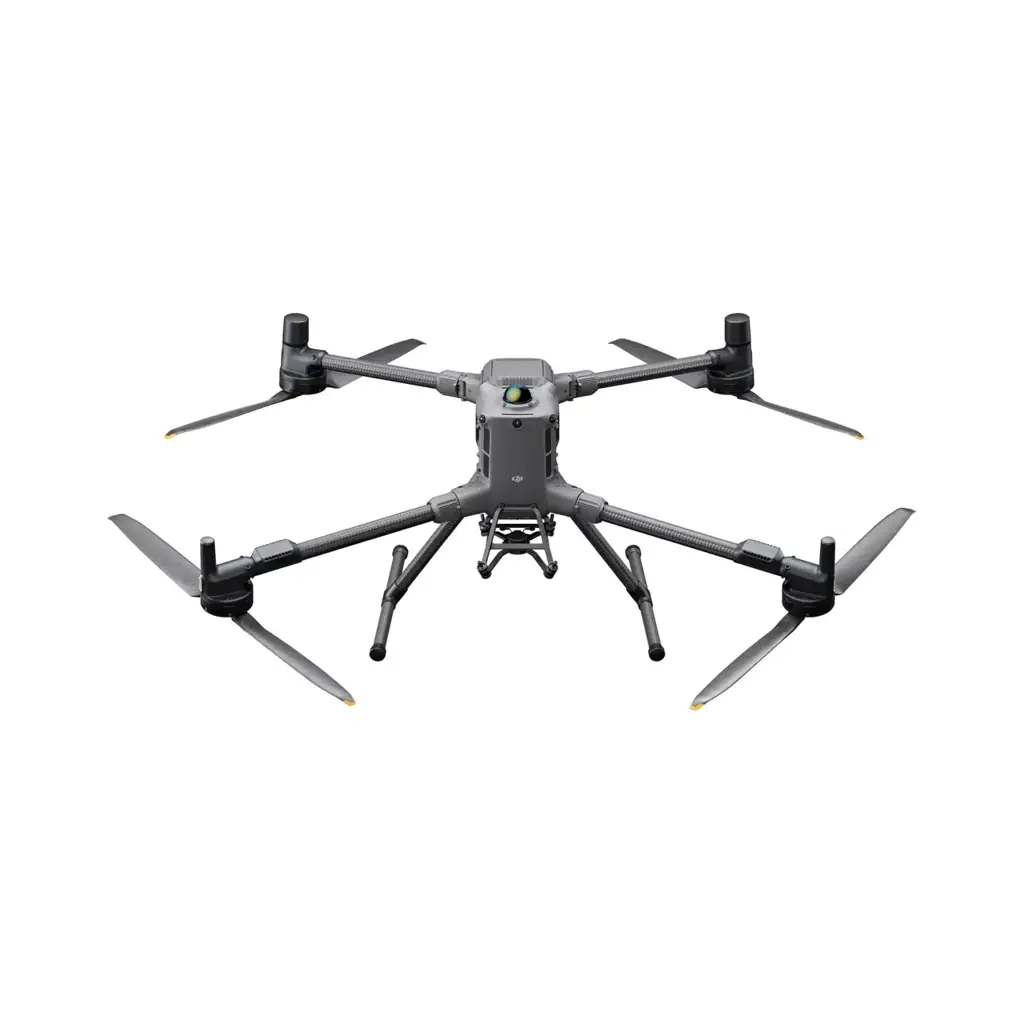
DJI crop drones revolutionizing cutting-edge cultivation by furnishing cultivators with a powerful tool for crop safeguarding. These drone systems can rapidly cover ample areas, specifically applying fertilizers and biocides to crops. This targeted application limits the amount of substances used, benefiting the environment and amplifying overall crop production.
Flight Seeding: Supporting Ecological Balance
Airborne sowing provides a breakthrough approach to ecological restoration, offering an ecological solution for rejuvenating degraded biotic communities. By broadcasting seeds from the air, this strategy allows for broad coverage of ample territories, overcoming constraints posed by conventional systems. Aerial seeding enables the re-establishment of native autocthonous plants, contributing to biological variety.
Equally important, aerial seeding minimizes on-ground effort, expediting the reforestation procedure. This technique holds immense potential for addressing tree loss and cultivating a more thriving future.
Advancing Farming with Drone Technology
Drones are swiftly changing the landscape of plantation management. These unmanned aerial vehicles deliver tillers several benefits, increasing efficiency and yield. Drones can track crops from above, discovering areas that need management. This advance detection allows farmers to tackle issues ahead of they amplify, lowering crop damage and maximizing yields. Furthermore, drones can spray fertilizers and pesticides with exactness, minimizing the amount of compositions used and diminishing environmental impact. This sustainable approach to farming is becoming in demand as farmers seek to optimize their operations simultaneously protecting the planet.Refining Crop Management via Drones
Advanced cultivation techniques is upgrading the way crops are developed, and drones are playing a essential role in this transformation. Equipped with advanced sensors and cameras, these remote flying machines provide crop managers with essential intelligence about their fields, helping them to make enhanced decisions. Drones can inspect vast areas of land speedily, locating issues such as nutrient deficiencies, pest infestations, or irrigation problems. This real-time diagnosis allows farmers to treat specific areas in need, improving resource consumption and improving crop yields.
Moreover, drones can be used for a variety of other tasks in precision agriculture, such as performing fertilizers or pesticides with greater accuracy and prowess. They can also be used for depositing crops, charting fields, and even watching livestock. The versatility of drones makes them an crucial tool for modern farmers who are seeking to increase output, reduce costs, and minimize their environmental impact.
Stretching Beyond the Horizon: Aerial Coverage for Maximum Impact
In up-to-date fast-paced world, capturing broad coverage is vital for achieving success. Remote panoramas offer a special and effective way to record events, landscapes, or projects in a way that traditional ground-level coverage comes less than. From extracting stunning aerial photography to offering critical insights through drone mapping, the possibilities are limitless. By employing aerial coverage, businesses and organizations can boost their impact, sharing stories in a way that is both gripping and knowledgeable.
Drone Innovations in Crop Protection
Current agriculture is considerably utilizing innovative methods to augment harvest volume. Among these advancements, drone-based spraying has developed as a innovative approach for precise pest management. Drones equipped with specialized spray nozzles can rigorously apply biocides directly to target areas, minimizing wastage. This targeted application diminishes the overall amount of chemicals required, contributing to a more climate-positive farming methodology. Furthermore, drones can instantly cover large tracts, saving time and personnel compared to traditional spraying methods.
- Gains of drone-based spraying include:
- Elevated precision in application,
- Decreased chemical usage,
- Advanced crop health,
- Economy
Drones: Revolutionizing the Landscape of Cover Crop Establishment
The agricultural industry is undergoing a remarkable shift with the advent of drones in cover crop establishment. These unmanned aerial vehicles offer unprecedented precision and efficiency, upgrading traditional methods. Drones can rigorously sow seeds across large areas, ensuring uniform coverage and improving germination rates. This technology also allows for prompt monitoring of cover crop growth, enabling farmers to detect potential issues early on and carry out timely interventions. Furthermore, drones can cut labor costs and green impact by lessening the need for manual seeding and chemical applications.
The implementation of drones in cover crop establishment affords a sustainable solution for enhancing agricultural practices. By leveraging the power of drone technology, farmers can augment crop yields, enhance soil health, and support to a more climate-resilient food system.
Maximizing Output through Aerial Seeding and Spraying
Aerial seeding and spraying have surfaced as leading-edge solutions in precision agriculture, making possible farmers to maximize crop yields and resource management. By harnessing specialized aircraft equipped with refined technology, these practices facilitate the precise application of seeds and fertilizers directly to fields. This targeted approach limits waste and strengthens crop health by bestowing essential inputs exactly where they are needed.
- Moreover, aerial seeding allows for the planting of crops in areas that are remote locations using traditional methods, expanding farming possibilities and supporting agricultural production.
- Together, aerial spraying provides a prompt means of applying pest control agents to combat particular infestations, minimizing the risk of spread and maintaining crop health.
Therefore, aerial seeding and spraying embody the strength of precision agriculture in advancing farming practices. By leveraging refined technologies, these methods boost resource-saving food production, ensuring a flourishing agricultural sector for the future.
