touch of elegance purple clay calligraphy pot?
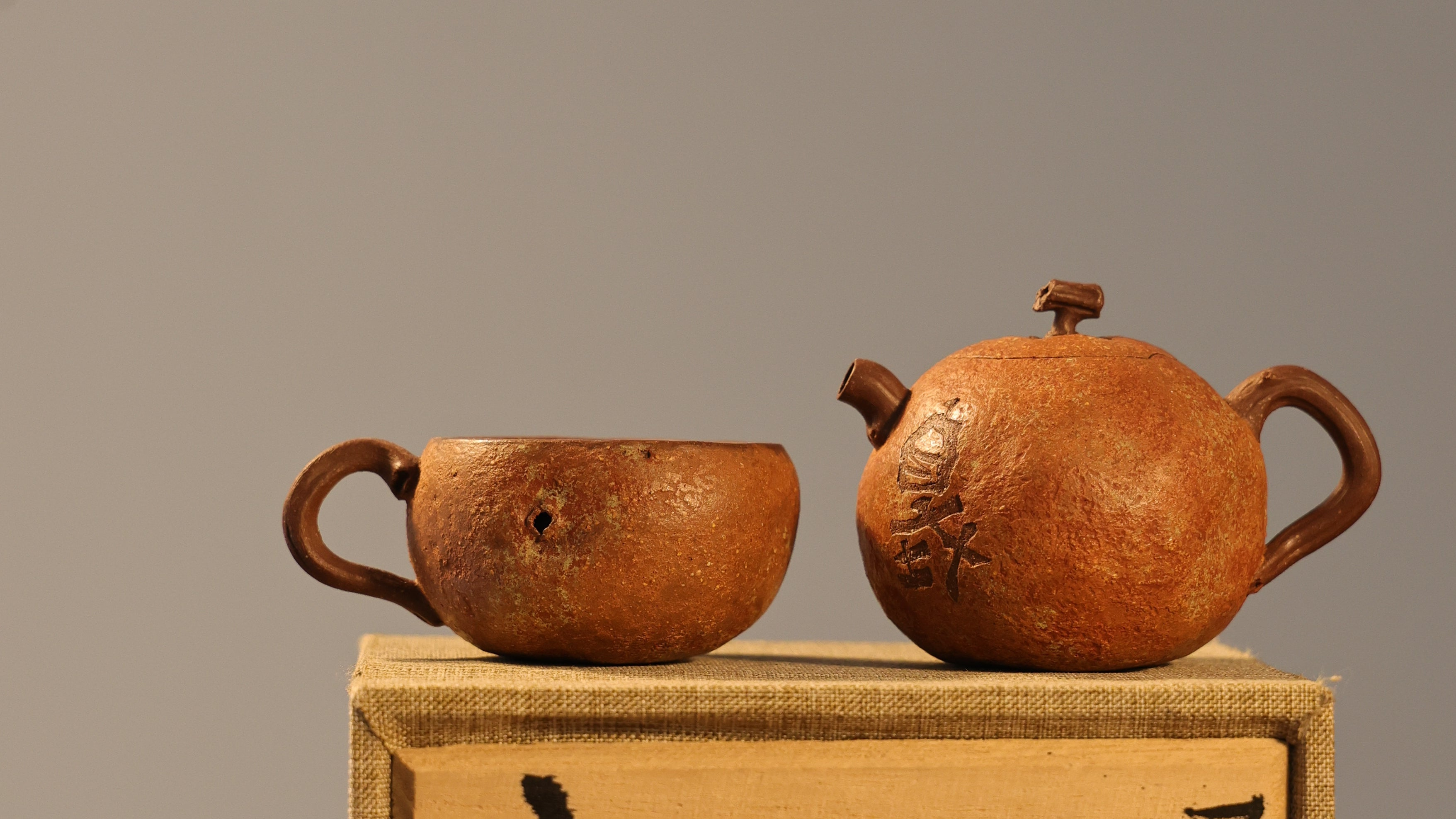
Initiating this extensive review regarding Eysing Tzu Sha clay vessels presents unique engaging alloy including mastery in conjunction with serviceability.
Yihsing Zisha teapots hold exclusive unrivaled seductiveness relating to curators worldwide. These outstanding clay vessels, native from the original Issing territory around Jiangsu area, China, represent more than just teaware; they are considered works design beauty and legacy significance. Unique finely prepared clay, known for Zisha, imparts a nuanced flavor inside the tea, and the stylized designs, often mirroring traditional Chinese symbols, contribute to their core value. Attaining a genuine Yixing Zisha teapot constitutes a delightful journey, requiring careful inquiry and an knowledge of the different factors influencing the uncommonness.
Examining Yixing Clay Pots
Issing earthenware pots boast a fascinating history deeply interwoven with Chinese customs. Originating in Yixing, Jiangsu region, these pitchers are crafted from a unique, porous purple mud found only in that distinct location. Their evolution began during the Ming age, with master ceramicists refining the techniques over epochs. Several types prevail, including the classic Hexiang (resembling crab shells), Zhuni (red-brown hue), and Duan Ni (stone-studded) – each with distinctive aspects. The value of an Yixing brewing pot isn't solely based on its size or embellishment, but also on the craftsperson’s reputation, the terracotta's quality, and the vessel's age and condition. Gatherers often seek out older examples, believing they enhance the savor of the infusion brewed within them over time, further Purple Clay Teapot adding to their prominence.- Traditional Tea Containers
- Russet Tea Containers
- Mineral-Stippled Tea Containers
Zisha Teapot Mastery: Technique & Styles
A making of Zisha teapots represents a peak of Chinese ceramic craftsmanship. Skilled artisans employ historic techniques, often passed down through generations, to unlock the full capability of this unique clay. Practices involve meticulous molding by hand, often combined with the wrapping method, followed by precise kilning at incredibly elevated temperatures in wood-fired kilns. Detailing is equally crucial; artists utilize organic clay colors and may incorporate incising work to depict intricate scenes or patterns, demonstrating a profound understanding of the material’s features and energy. The resulting teapot isn't merely a vessel for tea, but a testament to a profound cultural history.
Classical Ceramics: This Outline to Yixing Zi Sha
Unveiling the world of Ancient teapots often initiates with Yixing Zisha. These rare clay vessels are manufactured from a specialized type of clay obtained only in the Yixing region of China's Jiangsu province. Renowned for its notable reddish-purple hue and extraordinary merits, Zisha clay imparts a delicate flavor to the infusion and matures with age, maturing into a cherished prized possession. Holding Yixing Zisha teapots is more than just owning a lovely object; it’s a honoring of legacy and mastery.
Venturing into certain Pottery: Sincerity & Progression
Engaging in the arena of Yixing Zisha pottery can be both rewarding, but requires a keen eye. Authenticity is paramount; many imitations exist, generally ingeniously assembled. Familiarizing oneself about ancient tempering approaches, special terracotta traits, and the hallmarks of renowned artisans is absolutely imperative. Over and above, knowing the fine points of the market direction – influenced by determinants such as classical consequence and the quality of the item – is key to beneficial buying.
- Examining firing record.
- Turning to professionals for verification.
- Appraising business movements.
The Art of Concocting with a Earthen Kettle
That singular allure of a Zisha teaware lies not just in its attractive appearance, but also in its notable impact on the taste of the libation. These historic clay pots, sourced from distinctive regions of China, possess a intrinsic porosity that gently interacts with the essence and leaves, imbuing the cup with a subtle character. Mastering the approach requires a patient approach, understanding how the soil responds to varying heating regimes and foliage types, ultimately leading to a unquestionably rewarding tasting experience.
Upkeeping The Possession
Proper maintenance of your Yixing pot is critical to retaining its quality. These singular teapots, crafted from exceptional Yixing clay, accumulate a character over generations that enhances their significance. Regularly rinse the inside surface with gentle water, avoiding cleaning agents, and never use intense scrubbing tools. Some gentle buffing with a soft cloth can support in doing away with residue. Allow your urn to completely dry prior to each preparation
Unlocking Clay: Secrets This Ceramic Pots Illustrate Distinct
The noted appeal of Yixing teapots is sourced in the unique properties of Clay clay, obtained solely near Yixing, the city of Yixing. This extraordinary clay, known as ferruginous mineral , exhibits a distinctive combination of particles that, across the years, imbibe the essence of the drinks it incubates. This results in a individual essence for each earthen vessel, ensuring it a value far greater than its primary price and aiding to their admired status among experts.
Hunting for the Perfect Sinocentric Brewing Pot: A Terracotta Reference
Venturing into the world of Yixing clay teapots can feel difficult, but understanding the cores is paramount to obtaining a sought-after piece. These clay, sourced primarily from the area around Yixing, the Jiangsu area, is well-regarded for its uncommon grain and ability to boost the essence of the tea over use. Ponder the profile, the cast, and the style; a legitimate Zisha teapot is more than just a urn; it's a decorative object and a manifestation of eastern culture. Seek the inscription of the maker for clues to its history and potential worth.