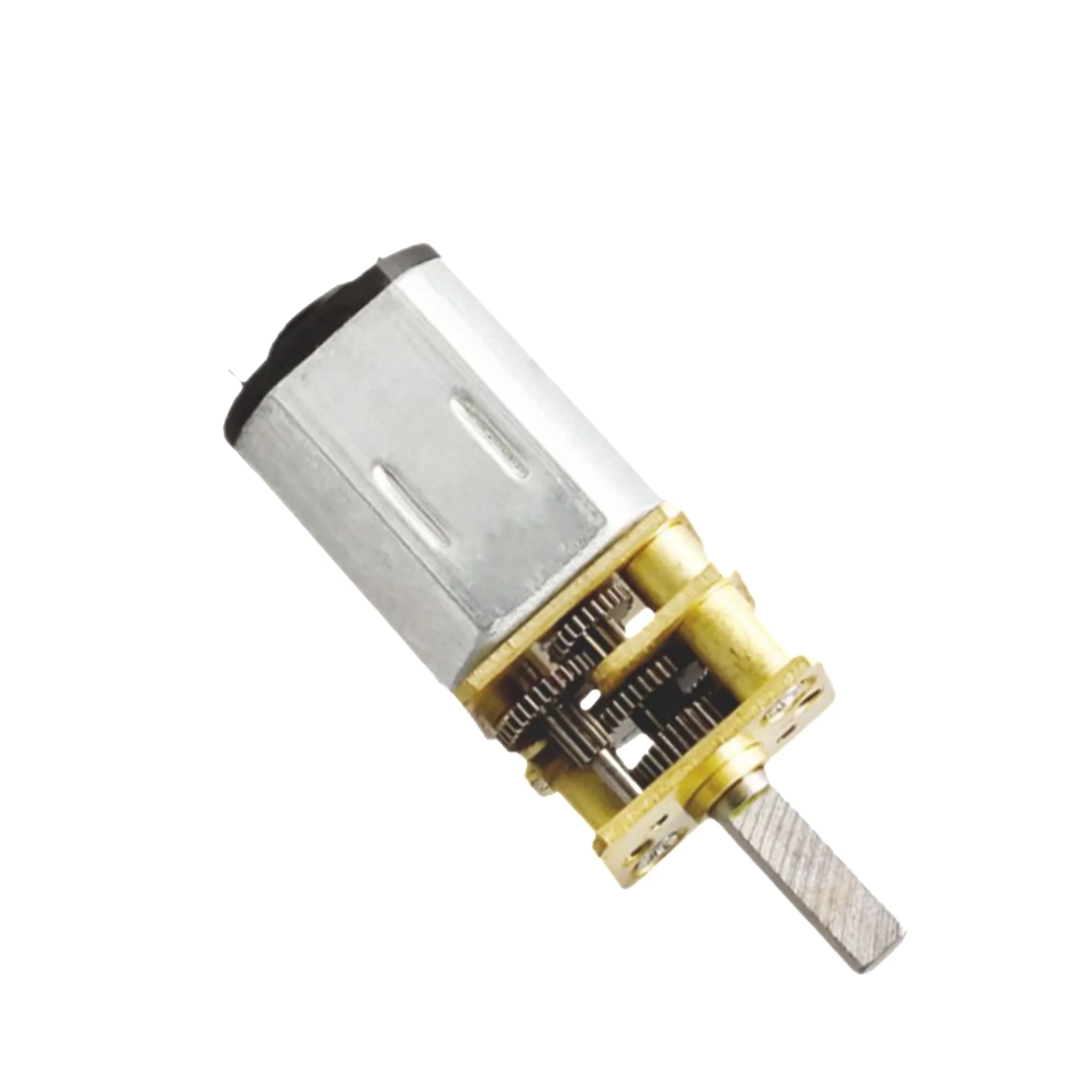
turnkey micro geared control system motors?
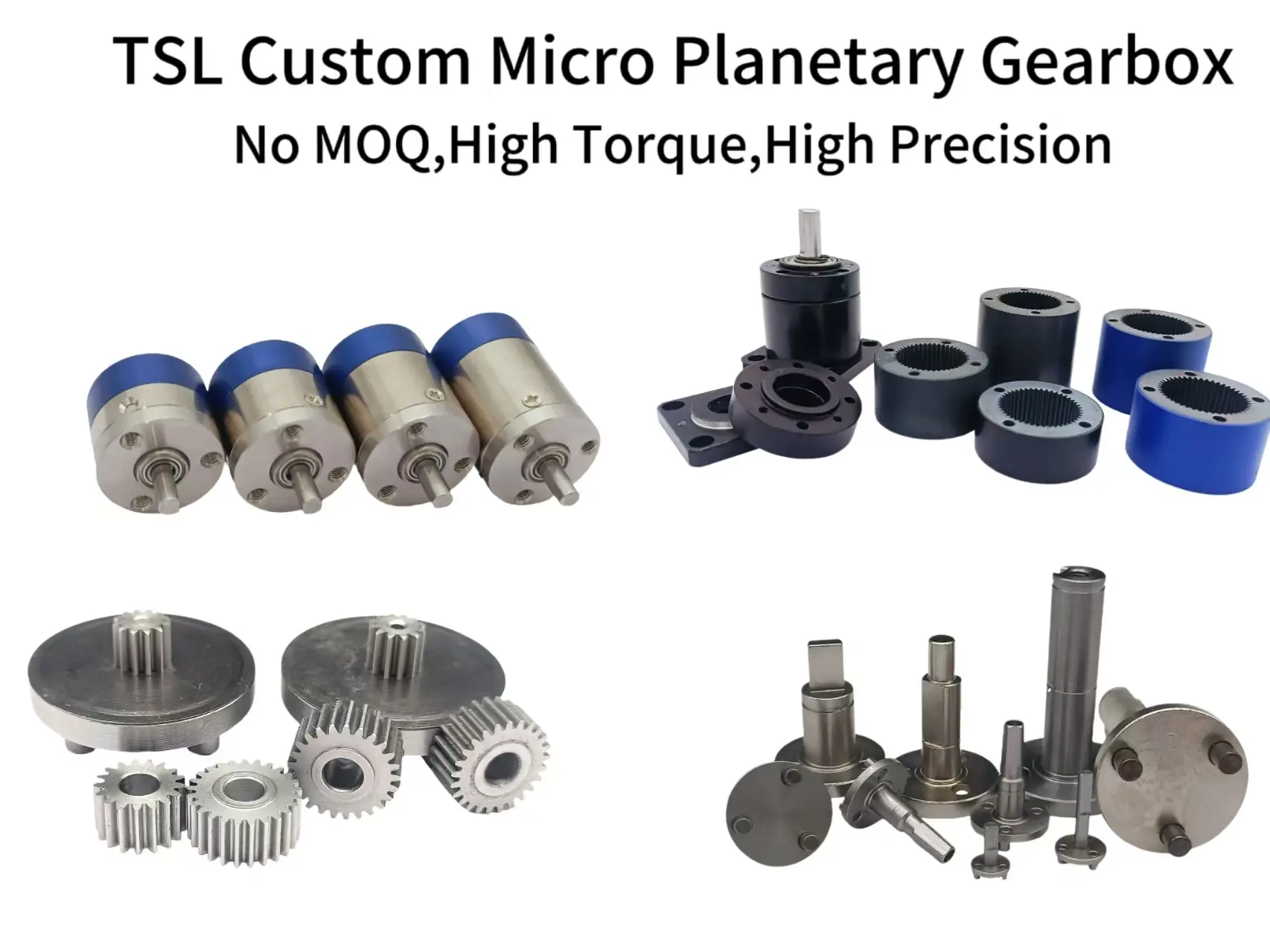
Introductionin our complete inspection about brushless electromotors including multiple automation applications.
electronically commutated motors yield a effective replacement to conventional brush-equipped motors in multiple uses. These systems leverage potent magnetic fields and precise intelligent circuits to deliver rotational power. This dispenses with the dependence for carbon brushes, producing improved functionality, lowered maintenance burdens, and augmented longevity.
- What's more, brushless DC motors are recognized for seamless operation, concise size, and superior torque-to-weight ratio.
- Hence, they are used for a wide assortment of applications, such as
Micro Gear Motors for Precision Motion Control
Micro motors with gears grant impressive command in diverse applications. These microscopic motors apply refined gear trains to produce exacting turns with high power. Their profound faithfulness renders them excellent for realms such as robotics, medical devices, and automotive.
- These micro drives furnish precise operation and soundless operation.
- Adjustable structures extends customization to required targeted application requirements.
- In light of technical evolution, micro gear motors are becoming budget friendly.
Compact Stepper Motor Use in Mechatronics
Miniature stepping engines furnish reliable and compact-sized solutions for meticulous motion control along several robotics and automation operations. These notably efficient motors apply magnetic fields to fabricate rotational movement with detailed incremental steps, rendering them suitable for activities requiring accurate positioning.
- Operations for mini stepper motors reach automation systems to consumer electronics and health technologies.
- Limited volumes facilitate integration into limited areas, while their high torque-to-size ratio secures reliable performance.
- Also, mini stepper motors feature low noise operation and damped movement, making them appropriate for fields where noise reduction is paramount.
Electing 12 Volt DC Gear Motor
When electing a 12V DC gear motor for your project, there are various elements to analyze. Primarily, determine the necessary torque and speed. This depends on the mass that the motor will be carrying. Next, take into account the reduction ratio of the gear arrangement. A higher reduction ratio amplifies torque while reducing speed.
Furthermore, include the motor's capability and temperature thresholds. What's more, the motor's physical proportions should correspond to your application.
In conclusion, it's key to get a renowned manufacturer and validate that the motor meets regulatory norms.
Knowing Brushless DC Motor Working
A sensorless DC motor operates like a type of electric motor that applies steady magnets to pivot a shaft. Unlike mechanical brush DC motors, these motors omit the carbon brushes required for energy flow. This construction affords several advantages, such as increased power output, reduced maintenance, and a silent operation.
Mechanism of a brushless DC motor stems from the interaction between the shaft magnets and a series of wire coils. These turns are arranged in a specific design to create field gradients that interact with the rotor magnets. This interaction brings about angular momentum that causes the shaft to rotate.
To govern the motor's speed and direction, a controller emits varying pulses of current to the stator coils. The scheme of these pulses determines the magnetic field orientation in the stator, which in turn directs the rotor's position and spin.
Advanced Micro Gear Motors for Industry
In the modern manufacturing context, speed and precision are crucial. Manufacturers strive for innovative technologies to advance their processes and gain exceptional performance. Tiny gear motors have emerged as a crucial feature in this process, providing compact yet robust mechanisms for extensive applications.
High-performance micro gear motors grant exceptional torque-to-size ratio, empowering them to present major power within a reduced footprint. These motors are fabricated with long-lasting materials and pioneering designs to combat tough operating scenarios and ensure stable performance over time.
- Innovative gear techniques mitigates friction and wear, optimizing efficiency and lengthening motor lifespan.
- Accurate control mechanisms deliver regulation of speed and torque, fulfilling separate industrial needs.
- Internal encoders offer accurate tracking feedback, increasing system consistency and precision.
Concerning automation and robotics to medical devices and consumer electronics, top-level micro geared motors are reshaping industries by supporting compact, powerful, and precise drive solutions.
Miniature Stepper Motor Driver Circuits and Applications
Step-drive motors grant precise positional regulation in many deployments. Miniature stepper motor driver circuits are important for handling these little motors. These circuits habitually use integrated modules specifically designed for driving stepper motors, providing capabilities like current control, direction reversal, and motor rate modification.
Applications for miniature stepper motor driver circuits are expansive, spanning industries such as robotics, automated systems, consumer technology, and diagnostic tools. They can be found in implementations like precision exact positioning, item manipulation, looped control schemes, and human-machine interfaces.
Advantages of 12V DC Gear Motors
12V DC gear motors supply a broad range of perks for diverse applications. Their diminutive size makes them ideal for limited spaces, while their high torque output enables them to carry heavy loads with ease. 12V DC gear motors are also known for their capability, cutting down energy and managing quietly. They offer precise control, making them suitable for tasks requiring fine movements. Furthermore, these motors are resilient, able to withstand severe conditions and provide secure performance over time.
Power and Efficiency Parameters of Brushless DC Engines
Brushless DC (BLDC) motors are known for their exceptional functionality, consistently outperforming their brushed substitutes. This superior efficiency results from the absence of friction-causing brushes, avoiding energy loss. Moreover, BLDC motors deliver a remarkable output density, enabling them to generate substantial power within a relatively small volume. This alloy of peak effectiveness and power density makes BLDC motors ideal for a wide array of applications, involving electric vehicles, robotics, drones, and consumer electronics.
- Central factors impacting BLDC motor efficiency include rotor arrangement, magnetic matrices used, control algorithm employed, and operational settings.
- Elevating power density in BLDC motors commonly involves using potent magnets, optimizing wire arrangement arrangements, and employing pioneering technology techniques.
Continuous innovations in BLDC motor technology proceed to push the boundaries of efficiency and power density, making them an escalating popular choice for various industries.
Assessing Micro Gear, Stepper, and DC Motors
Determining the right motor includes understanding the particular traits of each type. Micro gear motors, stepper motors, and DC gear motors all exhibit wide-ranging advantages and challenges. Micro gear motors are distinguished by their concentrated build, making them suitable for limited spaces. Stepper motors bring precise fine positioning, making them fit for applications requiring precise steps. DC gear motors present a amalgamation of power and performance.
- Examine the torque thresholds of your application.
- Evaluate the required speed and positional correctness.
- Factor in the background.
By fully appraising these elements, you can opt for the motor that best answers your particular criteria.
Including Brushless DC Motors in Designs
Brushless DC motors provide exceptional functionality and endurance, making them a popular choice for a great range of applications. Integrating these motors into your projects can greatly improve their overall productivity. Before starting, it's paramount to recognize the key knowledge of brushless DC motor operation and elect the appropriate mechanism for your conditions. A thorough understanding of control signals, feedback, and controller units is essential for sound integration.
- Issues to mind when electing a brushless DC motor
- Driver specifications and parameters
- Regulation signals and communication protocols
- Reporting systems for accurate position, speed, and torque control