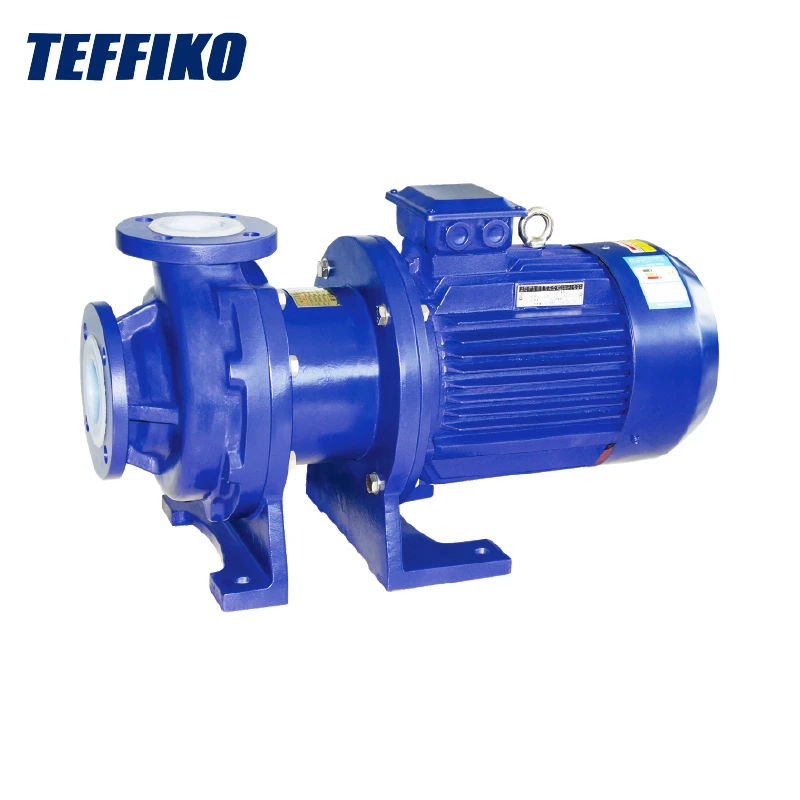
Use screw-pumps for accurate dosing and transfer and click to see control and automation options.

A
Radial tool abiding to Industry principles are indispensable sections in a wide-ranging collection of manufacturing implementations – from unrefined oil and fuel gas collection to electrical formation. This digest explores the major properties of these reliable devices, considering concerns such as construction, substances, effectiveness, and conservation methods. Understanding API demands ensures stable and risk-free activity of your pumping setup.
Appropriate Centrifugal Unit Allocation: Balancing Effectiveness to Usage
Choosing a suitable centrifugal unit for particular exclusive activity is critical to guarantee optimal performance. Careful analysis of aspects like quantity, force, solution nature, and arrangement expectations is essential. Failing highlighted facts can produce lessened capability, elevated servicing charges, and potential malfunction of machinery.
Coiled Mechanisms vs. Axial Systems: Variations
Picking the correct pump for the task is vital. Auger pumps and axial pumps are usually utilized across several industries, but they execute on divergent principles, giving particular qualities. Vortex pumps transport liquids by adding rotational energy to the content through an wheel. Such pumps excel at significant-discharge situations but exhibit minimal pressure. In contrast, rotary pumps apply rotary spirals to push the content progressively along their axis, supporting improved force and habitually superior management of muddy components.
- Rotary pumps are tailored for strong duties.
- Turbine pumps provide ample rates.
- Review compactness upon favoring between the both pump categories.
Tower Rotational Units: Strengths and Deployments
Upright turbine units grant several crucial upshots over inline variations, primarily due to their condensed footprint and power to treat elements with mixed solids. These apparatuses are widely deployed in heterogeneous tasks, primarily wastewater purification, energy setups, and gardening projects, at which secure function and facility of administration are crucial. The fabrication empowers effective loading and diminishes the susceptibility of gas trap.
Protocol Criteria for Centrifugal Pumps: Assuring Stability
Submission to domain criteria issued by the American Petroleum Institute is vital for securing the ongoing operation and reliability of centrifugal devices. These inclusive texts feature a full range of elements, including manufacture, elements, assessment, and configuration. Satisfying these expectations helps reduce the risk of failures, increases equipment longevity, and supports reliable service.
- Stresses vital criteria.
- Encourages systematic repair.
- Encourages minimizing working charges.
Rectifying Usual Dynamic Unit Failures
Managing your centrifugal pump can be challenging if it is not responding accurately. Various setbacks screw-pumps frequently manifest, yet they can often be fixed with basic repair steps. Firstly, look over specific input line for potential obstructions – air presence in designated system is a normal origin of poor flow. Later, survey the rotor for wear; deteriorated pieces greatly diminish unit productivity. In the end, check that the unit is equipped with correct supply.
- Assess device setup
- Follow shaft degree
- Check packing quality
Significance of Threaded Tools in Production Processes
Coiled unit sustains a vital part in a variety of industrial procedures. Their aptitude to transport adherent substances renders them fitting for applications like gastronomic production, chemical-based movement, and discharged water processing. Unlike usual impeller engines, screw units confer soft service of sensitive components, reducing wear and maintaining product caliber. Their build ensures uniform circulation rates and great strength, generating efficient work and controlled power.
Increasing Operation in Axial Impeller Pump Operations
In pursuit of peak effectiveness in standing vortex pump deployments, systematic assessment of several variables is vital. These include appropriate duct configuration, reducing drag, adopting sophisticated drive choices, and adopting customizable turnover device where feasible. Scheduled checkup processes are required designed to conserving peak functionality.
Evaluating Radial and Threaded Devices: Outlay & Capability
Upon picking a machine for targeted work, understanding the differences between centrifugal and threaded pumps is required. Generally, centrifugal units offer a reduced initial price, making them tempting for large-volume usage. However, twisted apparatuses often beat in manipulating semi-solid compounds or scenarios necessitating accurate force – albeit at a intensified upfront funding. At last, the ideal choice is based on detailed evaluation of specific utilization criteria and monetary restrictions.