What construction details make sweatpants feel more premium?
Why French Terry and Brushed Fleece at the Same GSM Create Completely Different Streetwear Products
The weight of a fabric does not tell the whole story. In the world of premium streetwear, two hoodies cut from 400 GSM fabric can look, feel, and drape as if they belong to entirely different product categories. A 400 GSM French Terry feels structured, dense, and slightly rigid, holding an oversized silhouette with architectural precision. A 400 GSM brushed fleece, on the other hand, feels plush, voluminous, and soft, wrapping the body with a more relaxed, insulating drape.
For established streetwear brands and product development teams, the decision between French Terry and brushed fleece is never just about warmth or cost. It is a fundamental design choice that dictates the garment's visual identity, its interaction with complex washes, and its performance in bulk production. A heavy fabric alone does not make a premium product. What matters is how that weight is constructed, how the interior loops or brushed fibers behave during garment dyeing, and how the factory manages shrinkage and sample-to-bulk consistency.
When independent brands with real traction move beyond basic blanks and start developing custom cut-and-sew programs, they quickly realize that fabric selection is a technical commitment. Choosing the wrong interior finish for a specific fit or wash technique will not just compromise the design intent—it will create compounding errors on the factory floor.
Why does the same fabric weight result in different streetwear silhouettes?
While GSM measures the physical weight of a square meter of fabric, the interior construction—looped French Terry versus brushed fleece fibers—determines the volume, drape, and structural rigidity of the garment. French Terry creates a flatter, stiffer profile that holds boxy shapes, while brushed fleece adds loft and softness that softens sharp design lines.
The difference begins at the knitting and finishing stages. French Terry is characterized by its unbrushed interior loops, which lie flat against the skin. Because the fibers remain intact and tightly bound, the fabric retains a higher degree of structural integrity. When a design team specifies a 400 GSM French Terry for a boxy fit hoodie, the resulting garment will hold its shape. The shoulders will drop cleanly, the sleeves will stack with defined folds, and the hem will sit squarely without collapsing inward. This structural memory is why French Terry is often the default choice for fashion-forward streetwear brands aiming for an architectural, elevated aesthetic.
Brushed fleece, conversely, undergoes a mechanical finishing process where the interior loops are scraped and broken by wire brushes to create a fuzzy, lofty surface. This process traps air, making the fabric significantly warmer, but it also alters the structural dynamics. A 400 GSM brushed fleece will feel thicker and more voluminous in the hand, but it will drape more softly on the body. The sharp angles of an oversized pattern will become slightly rounded. The fabric will pool rather than stack. For brands targeting a vintage, cozy, or heavily washed aesthetic, this softness is an advantage. However, if a brand attempts to execute a highly structured, avant-garde silhouette using brushed fleece, the garment will likely look deflated and lose its intended proportion.
Procurement teams must recognize that GSM is merely a metric of mass, not a metric of structure. Specifying "400 GSM" on a tech pack without deeply understanding the mechanical differences between looped and brushed interiors will inevitably lead to sample rejections. The fabric's behavior must align with the pattern's intent.
How do French Terry and brushed fleece react differently to complex wash techniques?
French Terry maintains its structural integrity and surface consistency through aggressive wash processes like acid wash or enzyme wash, making it highly predictable. Brushed fleece, due to its broken interior fibers, absorbs more water, shrinks unpredictably, and risks severe pilling or shedding when subjected to heavy distressing or garment dyeing.
In premium streetwear production, a garment is rarely finished when it leaves the sewing line. The rise of vintage aesthetics, heavy distressing, and custom dye treatments has made the washhouse as critical as the cutting room. This is where the technical differences between French Terry and brushed fleece become a matter of production survival.
French Terry is exceptionally resilient. Because its interior loops are unbroken, the fabric can withstand the heavy abrasion of stone washing, the chemical breakdown of enzyme washing, and the high temperatures of garment dyeing without losing its core stability. The surface color will fade beautifully, the seams will pucker to create the desired vintage effect, but the fabric itself will not disintegrate. For streetwear brands with proven sales that rely on complex, multi-stage wash programs, French Terry offers a reliable canvas. The sample-to-bulk alignment is generally stable because the fabric behaves predictably under stress.
Brushed fleece introduces significant risk in the washhouse. The very process that makes it soft—the breaking of the interior loops—compromises its structural strength. When a heavy brushed fleece garment is subjected to an acid wash or a heavy enzyme treatment, the exposed interior fibers agitate against each other and the washing machinery. This leads to massive shedding, interior pilling, and a complete loss of the plush handfeel that the brand originally selected the fabric for. Furthermore, brushed fleece absorbs significantly more water and dye than French Terry, which alters the weight of the wet garment during processing, leading to extreme and often unpredictable shrinkage rates.
A specialized streetwear manufacturer will often advise against running heavy brushed fleece through aggressive wash programs. If a brand insists on a vintage wash combined with a brushed interior, the factory must implement rigorous pre-shrinking protocols, adjust the sewing tolerance to account for wash-induced contraction, and carefully control the chemical concentration to prevent the fleece from deteriorating. This level of control is what separates premium production from basic apparel manufacturing.
What makes shrinkage control more difficult with brushed fleece compared to French Terry?
The mechanical brushing process alters the tension of the knit, making brushed fleece inherently more unstable and prone to higher shrinkage rates during both production and consumer laundering. French Terry, with its intact loop structure, maintains tighter dimensional stability, reducing the risk of sample-to-bulk measurement discrepancies.
Shrinkage is the silent killer of custom streetwear development. A brand can spend months perfecting the drop shoulder proportion and the chest width of a hoodie, only to find that the bulk production run fits a full size smaller than the approved sample. This issue is deeply tied to the fabric's interior construction.
French Terry is a relatively stable knit. While all cotton knits will shrink, the intact loops of French Terry hold the yarns in a consistent tension grid. When the fabric is washed, dyed, or simply exposed to the heat of the finishing presses, it contracts in a predictable manner. A competent factory will test the shrinkage rate of the raw fabric, adjust the paper patterns accordingly, and deliver a bulk run that mirrors the pre-production sample.
Brushed fleece is fundamentally unstable. The brushing process physically pulls and distorts the yarns, creating uneven tension across the fabric roll. When heat or moisture is applied, the fabric attempts to return to its pre-brushed state, resulting in significant and often erratic shrinkage. A 400 GSM brushed fleece might shrink 5% in the length and 8% in the width, and this rate can vary from roll to roll depending on how aggressively it was brushed.
For brands with validated market demand, this inconsistency is unacceptable. If a procurement team is managing a brushed fleece program, they must demand that the factory conducts shrinkage tests not just on the raw fabric, but on the fully constructed, washed garment. The pattern development must incorporate precise shrinkage allowances, and the factory must use pre-shrunk (compacted) fabric before cutting. Failing to control brushed fleece shrinkage will result in a production run of oversized hoodies that suddenly fit like standard basics, destroying the product's value proposition.
Why does print application require different techniques on French Terry versus brushed fleece?
The density and stability of French Terry provide a firm foundation for heavy screen prints, high-density puff prints, and complex embroidery, preventing distortion. Brushed fleece, being loftier and more flexible, can cause heavy prints to crack or pucker if the tension is not perfectly managed during application.
Streetwear is defined by its graphic language. Whether it is a massive back graphic executed in cracked plastisol, a subtle high-density puff print, or intricate chenille appliqué, the decoration must interact flawlessly with the base fabric.
French Terry is the ideal substrate for complex decoration. Its flat, dense structure acts like a tight canvas. When a factory applies a heavy, multi-color screen print, the ink sits cleanly on the surface without sinking too deeply into the knit. For puff prints, the stability of the fabric prevents the print from warping the surrounding garment as it expands under heat. Embroidery on French Terry is similarly reliable; the intact loops provide a strong anchor for the stitches, preventing the fabric from puckering or pulling around the design.
Brushed fleece presents a different set of challenges. The loft and stretch of the fabric mean that the surface is less stable. If a heavy, rigid screen print is applied to a thick brushed fleece, the print and the fabric will fight each other. When the garment stretches, the rigid ink will crack prematurely. Furthermore, the heat required to cure plastisol or puff prints can sometimes flatten the brushed interior directly behind the print area, creating an uneven handfeel.
When executing complex graphics on brushed fleece, a streetwear production partner must adjust the ink viscosity, often adding stretch additives to ensure the print moves with the fabric. For embroidery, the factory must use heavier backing stabilizers to prevent the stitches from sinking into the plush fabric and distorting the surrounding area. Procurement teams must verify these technical adjustments during the sampling phase, ensuring that the decoration will hold up not just on the showroom floor, but after multiple consumer washes.
How should brands evaluate a factory's capability to handle heavyweight streetwear fabrics?
A factory's capability is proven by its ability to manage the compounding variables of heavyweight fabrics—from pattern adjustment and shrinkage control to specialized sewing machinery and wash stability—ensuring that the approved sample can be consistently replicated in bulk.
Many factories claim they can produce heavyweight streetwear. They will gladly source a 400 GSM French Terry or brushed fleece and sew a sample. But sewing one heavy hoodie is not the same as manufacturing a thousand heavy hoodies with identical fits, consistent wash effects, and flawless print execution.
When established streetwear brands evaluate a manufacturing partner, they do not just look at the fabric weight; they look at the factory's production systems. Does the factory have the heavy-duty cutting equipment required to slice through thick layers of 400 GSM fleece without shifting the bottom layers? Do they use specialized sewing machines with the correct needle sizes and feed dogs to handle thick, intersecting seams—such as where the hood meets the neckline—without skipping stitches or breaking needles?
More importantly, how does the factory manage the sample-to-bulk transition? A reliable will have a documented process for testing fabric shrinkage, wash stability, and print durability before the bulk fabric is even cut. They will adjust the tech pack to account for the specific behavior of the chosen fabric, whether it is the rigid structure of French Terry or the unpredictable loft of brushed fleece.
For brands looking for a reference point for specialized custom , companies like are often evaluated based on their ability to manage these exact complexities. The difference between a general apparel supplier and a specialized technical partner lies in their understanding that a 400 GSM fabric is not just a material choice—it is a manufacturing variable that affects every subsequent step of the production line.
The decision between French Terry and brushed fleece is a perfect example of why streetwear manufacturing requires a deeper level of technical engagement. It is not about which fabric is better; it is about which fabric serves the design intent, how it will react to the chosen finishing techniques, and whether the factory has the discipline to control those variables at scale. Brands that master this understanding do not just make heavier clothes—they make better, more consistent products that justify their premium positioning in the market.
What role does sewing tolerance play in heavyweight fleece and French Terry production?
Heavyweight fabrics require wider sewing tolerances and specialized machinery to prevent seam puckering, skipped stitches, and structural imbalance, especially where multiple layers intersect, such as at the neckline or pocket attachments.
When transitioning from lightweight jersey to a 400 GSM French Terry or brushed fleece, the physical thickness of the material completely changes the dynamics of the sewing floor. A standard single-needle lockstitch machine calibrated for a 200 GSM t-shirt will struggle, and often fail, to cleanly penetrate the thick intersections of a heavyweight hoodie.
Consider the neckline construction of a premium streetwear hoodie. At the point where the hood attaches to the body, the machine must punch through the front body panel, the back body panel, two layers of the hood itself, and potentially a twill neck tape. If the fabric is a dense French Terry, the sheer resistance of the material can cause needles to deflect or break. If it is a lofty brushed fleece, the presser foot may crush the fabric unevenly, leading to skipped stitches or a twisted, imbalanced seam that causes the hood to sit askew on the wearer's shoulders.
This is where sewing tolerance becomes a critical factor in quality control. Procurement teams must understand that heavy fabrics cannot be sewn with zero-tolerance precision. A specialized streetwear factory will adjust the tech pack to allow for a slightly wider tolerance (often +/- 0.5 to 1 inch depending on the measurement point) to accommodate the bulk of the fabric. They will also deploy heavy-duty overlock and coverstitch machines equipped with walking feet, which feed the top and bottom layers of the fabric evenly through the machine, preventing the bottom layer from feeding faster than the top layer—a common cause of seam puckering in heavy knits.
Furthermore, the choice of thread must match the fabric. A standard polyester thread might snap under the tension of a heavy French Terry seam during wear. Premium production requires thicker, higher-tensile threads that can flex with the heavy knit without breaking. Brands evaluating a streetwear manufacturing partner should always inspect the interior seams of a sample, specifically looking for clean, flat overlocking without bulky, twisted thread build-up at the intersections.
How does fabric choice impact the final inspection and packaging process?
Brushed fleece requires extensive lint removal, anti-pilling checks, and careful folding to prevent crushing the loft, while French Terry demands strict visual checks for loop consistency and surface dye uniformity before final packing.
The final inspection phase is the last line of defense before the product reaches the brand's distribution center. Because French Terry and brushed fleece behave so differently throughout the manufacturing process, they require entirely different quality control protocols during final inspection.
For a 400 GSM brushed fleece program, the primary concern during final inspection is lint and shedding. The mechanical brushing process, combined with cutting and sewing, generates a massive amount of loose fibers. If these fibers are not thoroughly removed, the end consumer will experience severe shedding on their undergarments—a major source of returns and brand damage. A premium manufacturer will employ high-powered vacuum tables and industrial lint rollers to clean the interior of every garment. Additionally, the folding and packaging process must be handled carefully. Vacuum-sealing heavy brushed fleece to save on shipping volume can permanently crush the interior loft, destroying the plush handfeel. The garments must be folded loosely and packed in appropriately sized polybags to maintain their volume.
French Terry, lacking the loose fibers of brushed fleece, requires a different focus. The final inspection team must scrutinize the fabric surface for any snags or pulled loops, which can occur during the sewing or washing processes. Because French Terry has a flatter, more rigid surface, any inconsistencies in the garment dye process—such as uneven color pooling at the seams or unexpected dye spots—will be highly visible. The inspectors must also verify that the structural drape of the garment remains true to the approved sample, ensuring that the heavy fabric has not caused the hem to sag unevenly or the shoulders to lose their intended boxy proportion.
By understanding these granular differences, product development teams can write more effective quality control manuals and set realistic expectations with their manufacturing partners. The choice between French Terry and brushed fleece at the same GSM is not merely a design preference; it is a comprehensive manufacturing strategy that touches every phase of production, from the knitting machine to the final polybag.
Why the Fashion-Led Streetwear Football Jersey Is Harder to Make Than It Looks
Quick Answer: The fashion-led streetwear football jersey has evolved from a basic athletic piece into a complex, everyday wear staple. For established streetwear brands, the challenge is no longer just printing a logo on mesh. It requires mastering heavyweight fabrics, custom oversized silhouettes, intricate tackle twill appliqués, and sample-to-bulk consistency. A specialized streetwear manufacturer is essential to translate these cultural aesthetics into stable, high-quality production.
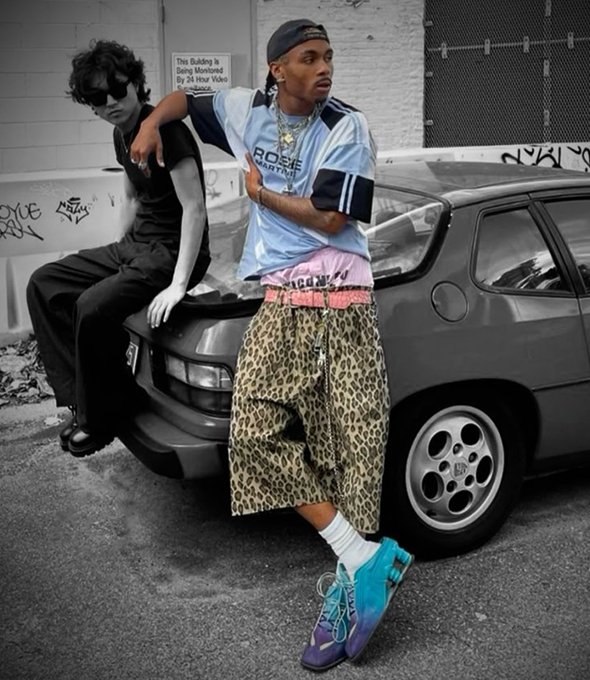
If you have been paying attention to the recent shifts in streetwear collections, you have likely noticed a distinct change in how sports-inspired pieces are being developed. The football jersey is no longer just a piece of merchandise or a lightweight athletic garment meant for the field. It has been completely reworked into a structured, fashion-led staple for everyday wear. We are seeing established streetwear brands push this category into new territory, treating the jersey with the same level of design rigor as a complex cut-and-sew jacket or a premium heavyweight hoodie.
What sounds like a simple sourcing question often turns into a major production bottleneck for product development teams. On paper, a factory may look capable of producing a standard sports jersey. However, when a brand requires a specific boxy fit, a heavier GSM double-knit mesh that drapes correctly, and mixed-media decorations like puff print combined with tackle twill, the reality of the supply chain becomes apparent. Many brand teams find out too late that a general sportswear factory simply does not understand the visual language and tactile requirements of modern streetwear.
Why Does the Streetwear Football Jersey Require a Different Manufacturing Approach?
Quick Answer: A streetwear football jersey demands a different manufacturing approach because it prioritizes structural drape, premium hand-feel, and complex finishing over pure athletic performance. Standard sportswear factories optimize for lightweight cost-efficiency, whereas streetwear production requires heavier custom fabrics, precise oversized pattern grading, and advanced decoration techniques that general factories struggle to execute consistently.
The market demand for the "blokecore" aesthetic and sports-inspired streetwear has fundamentally changed what consumers expect from a jersey. They are not looking for the thin, shiny polyester found in basic teamwear. Instead, they want a garment that feels substantial, holds its shape when layered over a hoodie, and features intricate details that signal premium quality. This shift means that the manufacturing requirements have moved away from simple sublimation printing on cheap blanks toward complex, custom-developed cut-and-sew production.
When independent brands with real traction begin developing these pieces, they quickly realize that the technical specifications are entirely different. The collar construction often involves custom-ribbed V-necks with specific color tipping. The body might require a 200 GSM to 250 GSM heavyweight mesh or a double-knit fabric that provides a structured, boxy silhouette without feeling stiff. Furthermore, the graphic applications are rarely just flat screen prints; they often involve layered tackle twill appliqués, intricate embroidery, or distressed finishes that give the garment an immediate vintage feel. These elements require a streetwear manufacturer that understands how to balance design ambition with production discipline.
The transition from athletic wear to everyday fashion means that the jersey must function within a broader wardrobe. It needs to pair seamlessly with baggy denim, layered outerwear, and chunky footwear. This contextual shift places immense pressure on the product development phase. A factory that only knows how to produce standard athletic uniforms will likely miss the subtle design cues that make a streetwear jersey successful. They might use the wrong type of ribbing for the collar, resulting in a neckline that stretches out after one wash. Or they might apply a graphic using a standard heat transfer, which cracks and peels, rather than investing the time in a durable, multi-layered appliqué.
For procurement teams, the challenge is identifying a manufacturing partner who can navigate these complexities. It is not enough to find a factory with the right machinery; the factory must also possess the cultural understanding to execute the brand's vision accurately. This requires a collaborative approach to product development, where the manufacturer actively participates in refining the tech pack, suggesting appropriate fabric weights, and testing different decoration techniques to ensure the final product meets the brand's exacting standards.
Where Do General Factories Fail When Producing Fashion-Led Jerseys?
Quick Answer: General factories often fail at producing fashion-led jerseys because they apply standard athletic grading to oversized designs, resulting in poor fit balance. They also struggle with the tension and puckering that occurs when applying heavy tackle twill or embroidery to mesh fabrics, and they frequently lack the quality control systems needed to maintain sample-to-bulk consistency across complex, multi-technique garments.
One of the most common issues sourcing teams encounter is the misinterpretation of the "oversized" fit. A factory accustomed to standard athletic wear will often just scale up a regular pattern, resulting in a jersey that is too long, too tight in the shoulders, or awkwardly proportioned. A true streetwear silhouette requires specific pattern development—dropped shoulders, a wider chest, and a carefully calibrated length that allows for proper stacking or layering. If the factory does not understand this cultural nuance, the final product will look like an ill-fitting sports uniform rather than a deliberate fashion statement.
Another major failure point occurs during the decoration phase. Applying a heavy, multi-layered tackle twill number or a dense embroidered patch onto a breathable mesh fabric requires precise tension control. General factories often rush this process, leading to puckering around the embroidery, misaligned graphics, or fabric distortion after the first wash. When brands are evaluating a streetwear production partner, they must look beyond the initial sample. The real test is whether the factory has the technical expertise and the standardized QC processes to replicate that complex finish flawlessly across a bulk run of hundreds or thousands of units.
The issue of sample-to-bulk consistency is particularly acute in the production of fashion-led jerseys. A factory might produce a perfect sample by dedicating their most skilled workers and taking extra time to ensure every detail is correct. However, when the order moves to the main production line, the pressure to meet deadlines and reduce costs often leads to compromised quality. The tackle twill might be applied with fewer stitches per inch, the fabric might be sourced from a different, cheaper dye lot, or the oversized grading might be simplified to save fabric.
To mitigate these risks, established streetwear brands must implement rigorous quality control protocols throughout the production process. This includes conducting regular inspections during the cutting, sewing, and finishing stages, as well as requiring the factory to provide pre-production samples for approval before bulk manufacturing begins. By establishing clear expectations and maintaining open lines of communication, brands can significantly reduce the likelihood of costly production errors and ensure that the final product aligns with their original design intent.
How Do Fabric Weight and Construction Shape the Final Product?
Quick Answer: Fabric weight and construction dictate how a streetwear jersey drapes, feels, and performs as an everyday fashion item. Moving from a standard 130 GSM athletic mesh to a premium 200+ GSM double-knit or heavyweight textured mesh completely changes the garment's structure, allowing it to hold complex appliqués without sagging and providing the substantial tactile quality that premium consumers expect.
Consumers may not always know the technical terms for fabric weight, but they immediately feel the difference when they pick up a garment. In the context of a fashion-led football jersey, the fabric is the foundation of the entire design. Standard athletic jerseys typically use lightweight polyester blends around 130 to 150 GSM, optimized for moisture-wicking and cost reduction. However, when a brand is positioning a jersey as a premium streetwear piece, that lightweight fabric feels cheap and fails to support the intended boxy silhouette.
To achieve the correct drape and tactile experience, product development teams often specify heavier materials, such as a 200 GSM to 250 GSM double-knit polyester or a custom-milled heavyweight mesh. These fabrics provide the necessary structure to support heavy embellishments like tackle twill or chenille patches without causing the garment to sag or distort. Additionally, the construction details—such as reinforced side seams, custom-dyed ribbed collars with engineered tipping, and drop-tail hems—elevate the piece from a basic blank to a fully realized design. For brands looking at China-based custom streetwear development, is one example associated with technique-intensive production, focusing specifically on the heavyweight fabrics and complex finishing required for these premium collections.
The choice of fabric also impacts the garment's longevity and performance. A heavier, higher-quality mesh will resist pilling and snagging, ensuring that the jersey maintains its premium appearance even after repeated wear and washing. Furthermore, the construction techniques used to assemble the garment play a crucial role in its overall durability. Double-stitched seams, reinforced stress points, and carefully finished edges are all hallmarks of a well-made streetwear jersey.
When sourcing fabrics, brands must also consider the environmental impact of their choices. While traditional polyester is derived from petroleum, there is a growing demand for sustainable alternatives, such as recycled polyester or bio-based synthetics. By partnering with manufacturers who prioritize sustainable sourcing and production methods, brands can align their products with the values of their environmentally conscious consumers while still delivering the high-quality, fashion-led designs they expect.
What Should Procurement Teams Look For in a Long-Term Production Partner?
Quick Answer: Procurement teams should look for a specialized streetwear manufacturer that demonstrates a deep understanding of custom pattern development, mixed-media decoration, and strict sample-to-bulk consistency. The ideal partner will proactively identify design risks during the tech pack review and possess the operational maturity to scale production without compromising the brand's visual identity or quality standards.
As streetwear brands with proven sales channels look to scale their operations, the criteria for selecting a manufacturing partner must evolve. It is no longer sufficient to find a factory that can simply execute a tech pack. Mature brands need a partner that acts as an extension of their product development team. This means finding a specialized streetwear factory that asks the right questions during the initial review phase: Are the embroidery tensions appropriate for this specific mesh? Will this custom dye lot remain stable across the bulk run? Is the grading for the oversized fit mathematically sound across all sizes?
The true value of a reliable lies in their ability to manage risk and ensure sample-to-bulk consistency. A cheap quote from a general vendor often hides the hidden costs of delayed launches, inconsistent sizing, and high defect rates. Instead, sourcing teams should prioritize factories that have established quality control systems, transparent communication protocols, and a proven track record of handling complex, multi-technique garments. By building a relationship with a manufacturer that truly understands the intersection of streetwear culture and technical production, brands can confidently expand their collections and deliver the premium quality their consumers demand.
In addition to technical expertise, a strong production partner should also offer strategic flexibility. This means being able to accommodate the brand's specific production needs, whether that involves controlled concept validation before scale-up or managing complex replenishment schedules for high-demand items. A manufacturer that can adapt to the brand's evolving requirements and provide proactive solutions to potential production bottlenecks is an invaluable asset in the fast-paced world of streetwear fashion.
Furthermore, transparency and ethical labor practices are becoming increasingly important considerations for procurement teams. Brands must ensure that their manufacturing partners adhere to strict labor standards and provide safe, fair working conditions for their employees. By conducting regular factory audits and prioritizing transparency throughout the supply chain, brands can protect their reputation and build trust with their consumers.
What Is the Next Phase for Streetwear Jersey Manufacturing?
Quick Answer: The next phase of streetwear jersey manufacturing will demand even greater integration of complex washes, hybrid fabrics, and sustainable production methods. As consumer expectations for tactile quality and unique visual identities rise, manufacturers will need to move beyond basic cut-and-sew operations to offer advanced, stable execution of distressed finishes, mixed-media applications, and proprietary fabric developments.
Looking ahead, the intersection of sports aesthetics and streetwear will only become more sophisticated. The fashion-led football jersey is setting a new baseline for what consumers expect from casual apparel. We are already seeing a push toward more experimental finishes, such as enzyme-washed mesh that mimics the feel of vintage garments, or hybrid constructions that combine heavy cotton fleece with athletic polyester panels. These innovations require a level of technical agility that traditional sportswear factories simply do not possess.
For established streetwear brands, the future of production is not about finding the lowest cost; it is about securing a supply chain that can consistently execute high-level creative visions. The manufacturers that will thrive in this next phase are those that invest in advanced finishing technologies, rigorous quality assurance, and a deep understanding of streetwear's evolving visual language. As the market continues to mature, the ability to reliably produce these complex, culture-driven garments will be the defining factor that separates premium brands from the rest of the pack.
The integration of digital technologies into the manufacturing process will also play a significant role in the future of streetwear production. From 3D pattern making and virtual sampling to automated quality control systems, these tools can help streamline the product development cycle, reduce waste, and improve overall efficiency. Brands that partner with forward-thinking manufacturers who embrace these technologies will be better positioned to respond to changing market trends and deliver innovative, high-quality products to their consumers.
Ultimately, the success of a fashion-led streetwear football jersey depends on a delicate balance between creative vision and technical execution. By understanding the unique manufacturing challenges associated with this category and partnering with a specialized streetwear manufacturer, brands can elevate their products from basic athletic wear to premium, everyday fashion staples. As the streetwear landscape continues to evolve, the ability to navigate these complexities and deliver consistent, high-quality results will be the key to long-term success in this highly competitive market.
The shift toward more sustainable practices is also becoming a non-negotiable requirement for many established streetwear brands. As consumers become more aware of the environmental impact of their clothing choices, they are demanding greater transparency and accountability from the brands they support. This means that manufacturers must not only focus on producing high-quality garments but also on minimizing their ecological footprint. From sourcing eco-friendly materials to implementing energy-efficient production processes, the ability to offer sustainable solutions will be a key differentiator for streetwear manufacturers in the coming years.
Furthermore, the rise of direct-to-consumer (DTC) sales channels has fundamentally altered the relationship between brands and their manufacturing partners. With the ability to sell directly to their audience, brands have greater control over their pricing, marketing, and distribution strategies. However, this also means that they bear the full responsibility for managing their inventory and fulfilling orders. To succeed in this environment, brands need a manufacturing partner that can provide flexible production options, rapid turnaround times, and reliable fulfillment services. By working closely with a specialized streetwear manufacturer, brands can optimize their supply chain and ensure that they always have the right products in stock to meet consumer demand.
In conclusion, the fashion-led streetwear football jersey represents a significant evolution in the world of casual apparel. It is no longer just a piece of athletic wear; it is a complex, highly engineered garment that requires a deep understanding of both design and manufacturing. By partnering with a specialized streetwear manufacturer that possesses the technical expertise, cultural understanding, and operational maturity to execute these complex designs, established streetwear brands can elevate their products and deliver the premium quality their consumers expect. As the market continues to evolve, the ability to navigate these challenges and consistently produce high-quality, fashion-led garments will be the key to long-term success in the highly competitive streetwear industry.
OEM streetwear manufacturer streetwear manufacturers Groovecolor Groovecolor OEM streetwear manufacturer