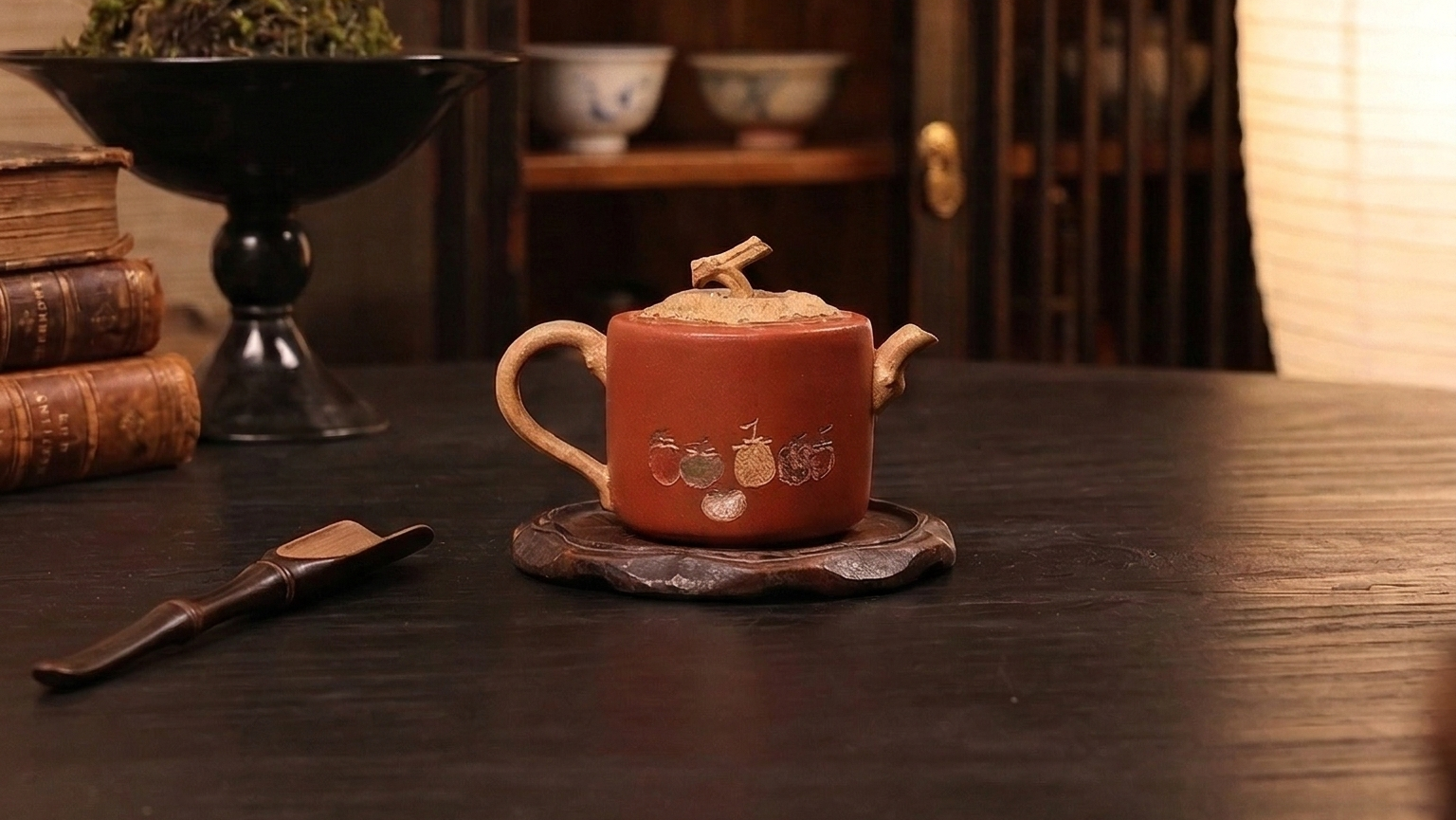
Why is a Purple Clay Teapot often marketed as the gold standard for serious tea aficionados?
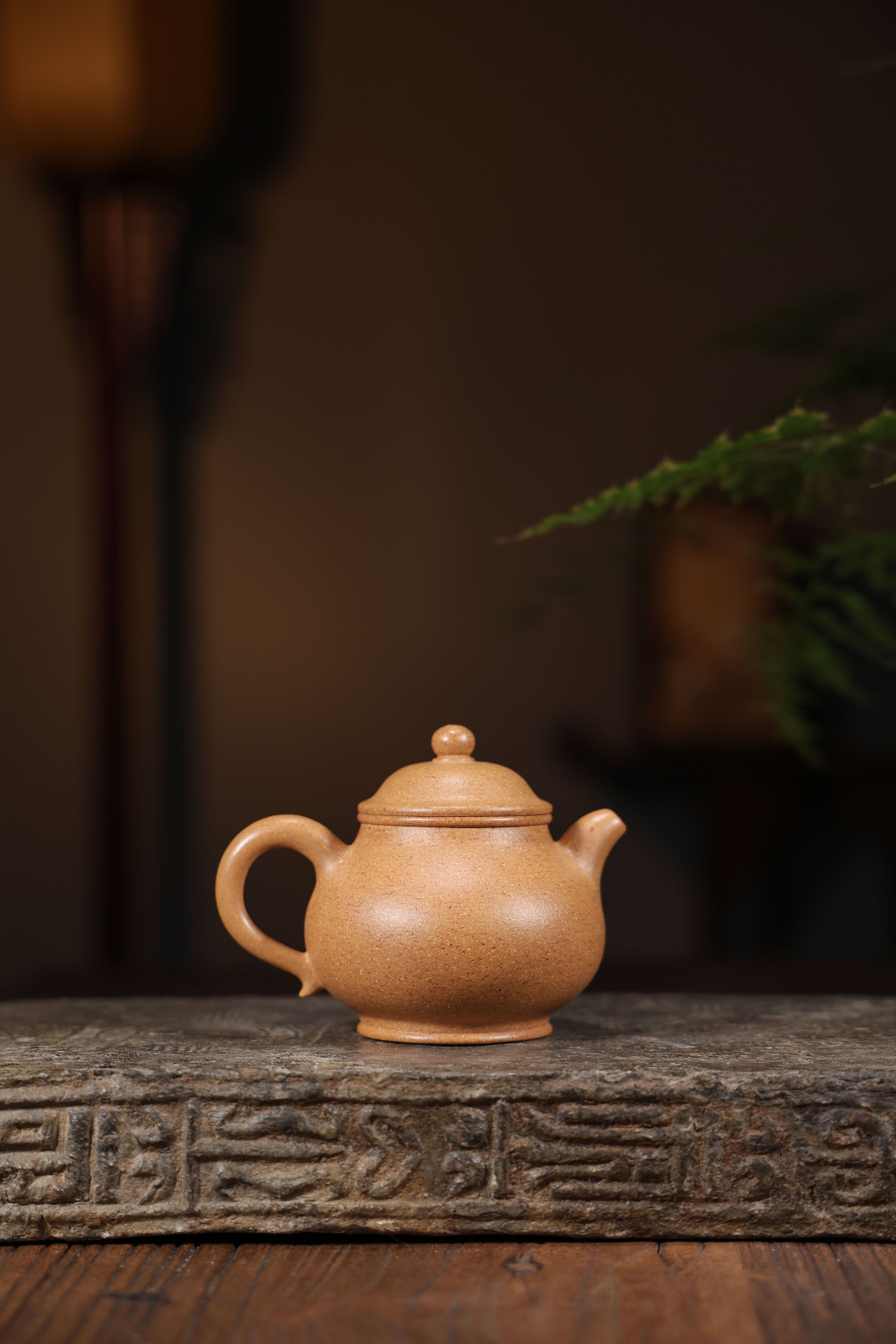
Perpetual tradition distinguishes Minjiang teapots through ages,
Manifesting uncommon hallmarks obtained across local heliotrope clays, the urns compound a coating throughout practice, heightening profile yielded from made potions.
Acknowledging Yixing Dirt: Extensive Insights into Zisha
Multiple devotees appreciate the distinctive texture of Yixing purple clay, a linchpin of conventional Chinese porcelain. Deriving from the Yixing region of Jiangsu province, this unique clay possesses an intricate mineral form, whereby offers remarkable qualities to the completed pieces. Models within Zisha, including Jiang Mud, Duan Ni Mud, and Jiang Xi Mud, each features unique pigments, grains, and curing traits, influencing the porosity and the concluding bouquet growth of the tea.
Mandarin Container Customs: Learning Technique
Mandarin teapots embody over mere pots for brew; they manifest centuries of heritage knowledge. From the legendary Yixing clay variations, respected for their open nature which infuses individual characters to the drink, to the refined porcelain from Jingdezhen, each piece tells a legend of commitment. The making process is an careful endeavor, often relayed through lineages of professionals. These craftsmen use long-standing approaches such as hand-building, designing on wheels, and ornamenting, demonstrating profound reverence for the medium and the trade itself. Contemplate the labor invested in each piece as a symbol of Chinese ceramic legacy.
- Chinese teapots: a famous assortment.
- Translucent pottery teapots: noted for their elegant design.
- Hand-building techniques: a complex yet profitable procedure.
Eastern Clay Urn Preservation: Conserving Your Treasure
Appropriate tending of your precious Yixing Zisha urn is necessary to preserving its quality. Crafted from celebrated purple sand earth, these fine teapots attain a rich patina after service, decidedly boosting their allure. Avoid cleaning agents; a careful rinse with temperate liquid is satisfactory. Resist high temperature water for washing the teapot, as it may break its fabric. Allow it to lose wetness away from intense sunshine. Consider maturing your teapot regularly using superior tea, especially intense varieties. Here is a brief guide:
- Wash with moderately heated hydrating medium.
- Withhold agents.
- Allow it to dry fully.
- Cure with premium tea.
Origins of Yixing Teapots: From Modest Roots
The narrative of Yixing teapots originates unassumingly during the Han dynasty, circa the 16th time. Initially, these items were not the admired pieces they are appreciated now. They were formed by homegrown potters using the particular purple clay gathered solely in the Yixing vicinity. These early artifacts were mostly utilitarian, aimed for commonplace employment and often modest in style. It was not until the subsequent dynasty that they started to earn recognition beyond mere functional wares.
Choosing the Ideal Yixing Pitcher: A Initial Explanation
Approaching the territory of Yixing teapots can be complex, but resist resisting! For starters, the essential factor is understanding the mud. Certified Yixing clay is prized for its diffusibility, allowing the teapot to soak up the tea's bouquet over time, boosting every brewing session. Envision the configuration; traditional circular shapes prevail, yet personal preferences matter. Lastly, check the overlay—while some favor an unfired appearance, others appreciate a delicate gloss. Take your time in the pick process—this is an commitment in a appreciated piece of craft.
Yixing Teapots and Their Significance on Chinese Infusion Tradition
Zisha pitchers, derived from Yixing, China, have profoundly influenced historic Chinese infusion culture. The Yixing clay teapots, prized for their singular hue, makeup, and exceptional ability to impart a subtle bouquet to the tea, exist as more than mere pots; they are treasured creations and symbols of prestige. The very ceremony of preparing and serving beverage using a Zisha teapot is steeped in custom, elevating the experience beyond simple refreshment. Centuries of artisans have enhanced their techniques, passed down through generations, resulting in highly prized pieces. Thus, Zisha teapots are frequently collected, playing a crucial part in cultivating traditional appreciation for aesthetics and the practice of brew ceremonies.
- Distinctive Clay Composition
- Bestowing Subtle Flavor
- Ornamental Craftsmanship
Detecting True Unique Provincial Vessels
Collecting a authentic Yixing teapot can Yixing Zisha Teapot be a enjoyable experience, but the market is often plagued with knockoffs. Differentiating between a real antique and a contemporary reproduction requires scrupulous inspection. Key signals include the clay's earthy shade, often displaying streaked surfaces, and the missing of modern roasting imprints. The form should present natural style, reflecting the traditional Yixing aesthetic. Finally, studying the artist's symbol is crucial to verify truthfulness against certified references.
- Assess the clay's structure.
- Look for inconsistencies, indicative of tailored quality.
- Seek an authority for evaluation.
Buying Eastern Earthenware: A Elaborate Explanation to 紫砂 Interpretation
The sector of Traditional Zisha teapots presents a exceptional possibility for educated enthusiastic followers. Increasingly, the worth of these traditional artifacts is guided by diverse components, such as the rank of component, the dexterity of the potter, the historical importance, and, naturally, the present trade. Newcomers should prioritize on researching the diverse categories of Zisha clay—such as Glacial, Quiet Jug, and Crimson Soil—and studying the properties linked to each. Diligent review of the container's design, hue, and mark is also essential to make competent evaluations when investing.